
Your car's dashboard is like a communication center, and those little light indicators are its messages. Understanding what they mean can save you from potential issues and keep your vehicle running smoothly. Let's dive into eight common dashboard lights and their meanings.
- Check Engine Light: Indicates a potential issue with the engine or emission control system. Schedule a diagnostic check to identify the specific problem.
- Battery Light: Indicates a charging system problem or a failing battery. Check the battery connections and schedule a battery test if needed.
- Oil Pressure Light: Indicates low oil levels. Check your oil immediately and inspect for leaks.
- Brake System Warning Light: Indicates a potential issue with the brake system. Inspect brake fluid levels and check brake pads.
- Tire Pressure Monitoring System Light: Indicates low tire pressure. Inflate tires to the recommended pressure. If the light persists, check for leaks or tire damage.
- ABS Lights: Indicates an issue with the Anti-lock Braking System. Schedule a brake system inspection with a professional.
- Airbag Light: Indicates a potential issue with the airbag system. Schedule an inspection at your nearest Auto Repair to ensure airbags are functional.
Understanding these dashboard lights empowers you to take prompt action, ensuring the longevity and safety of your vehicle. Schedule an appointment by calling us at (832) 674-4149 or through our website www.eliteautoexperts.com
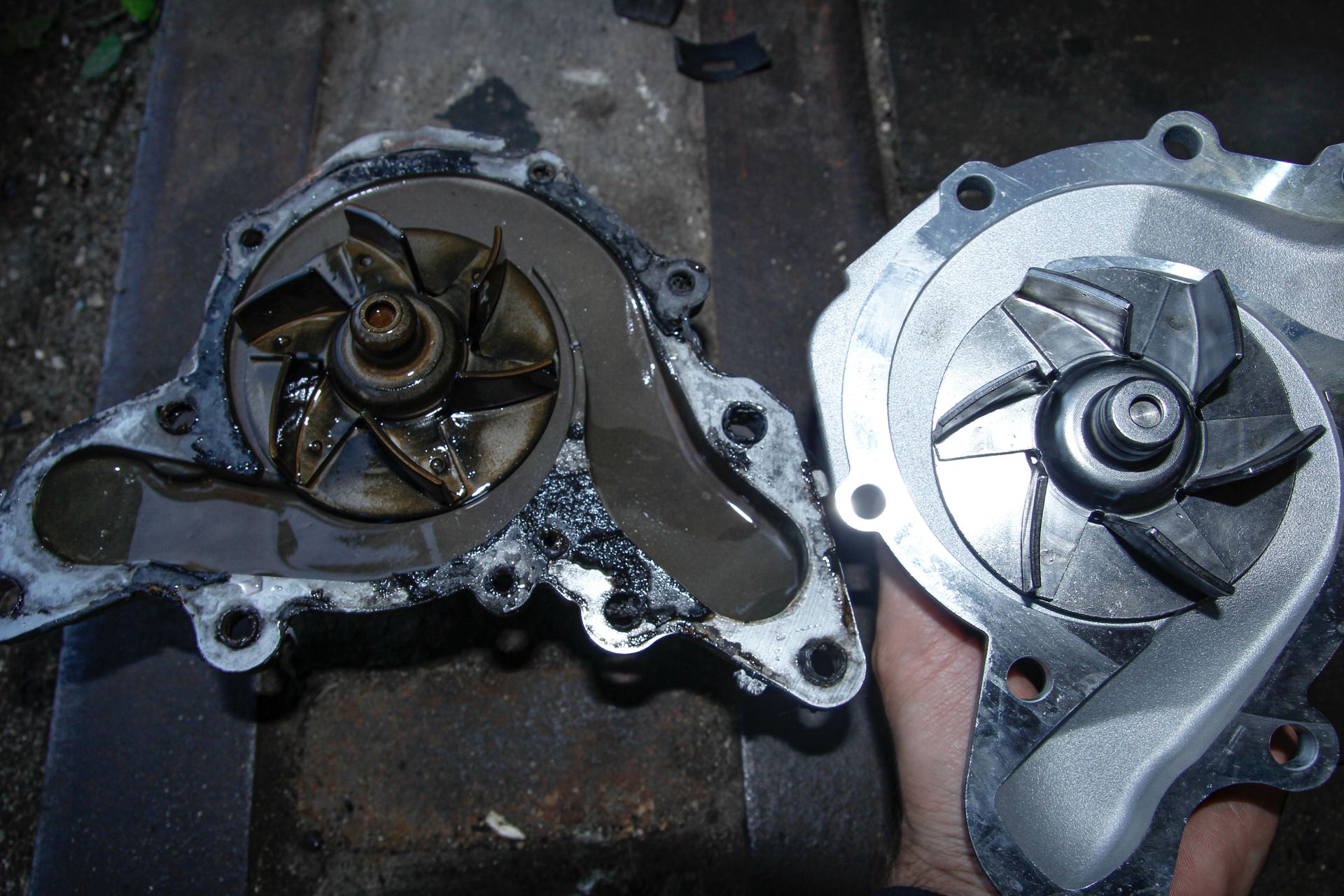
Elite Auto Experts in Houston, TX, explains five signs a water pump may be failing before the engine overheats.
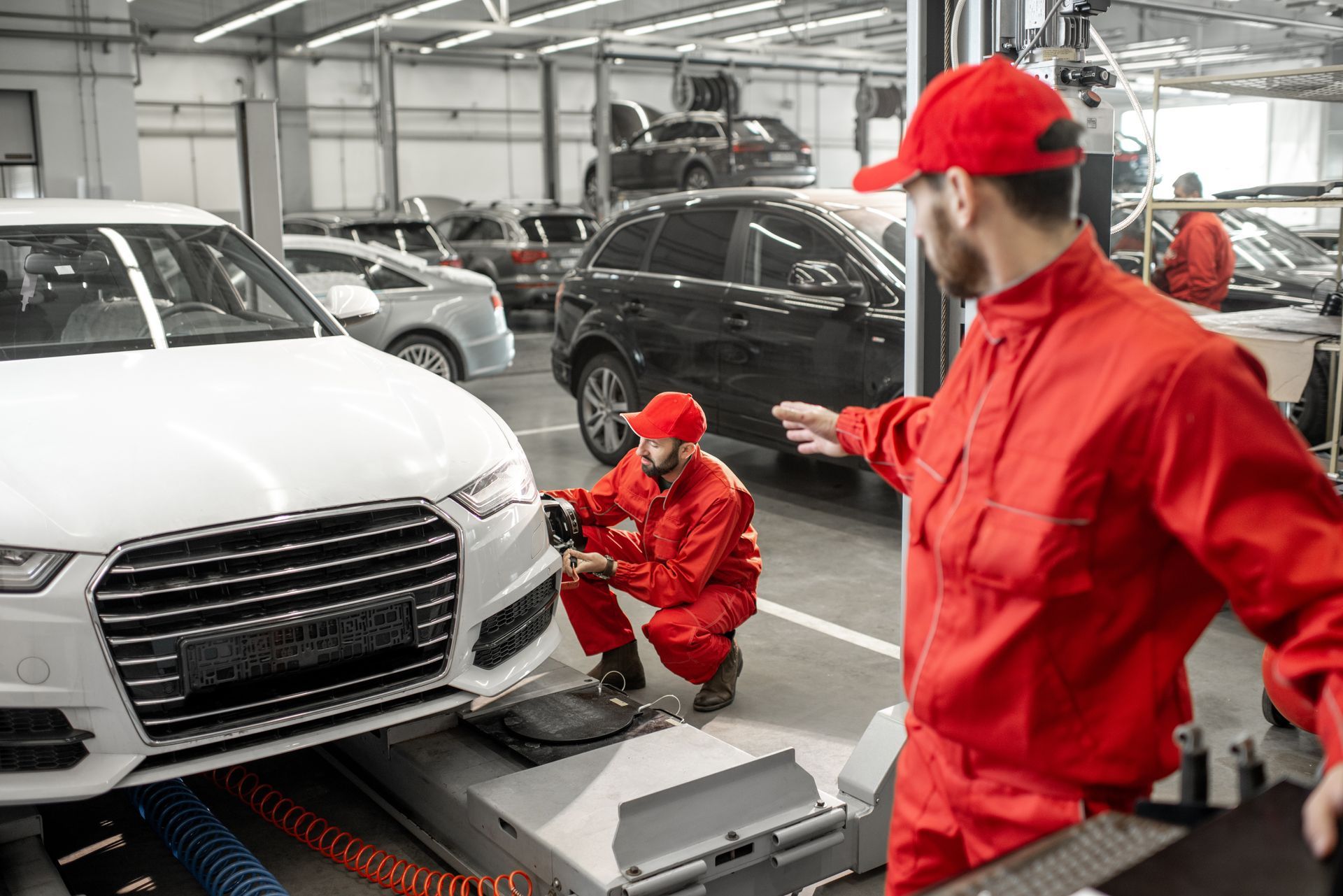
Elite Auto Experts in Houston, TX, explains why European vehicles can benefit from specialized service and repair expertise.
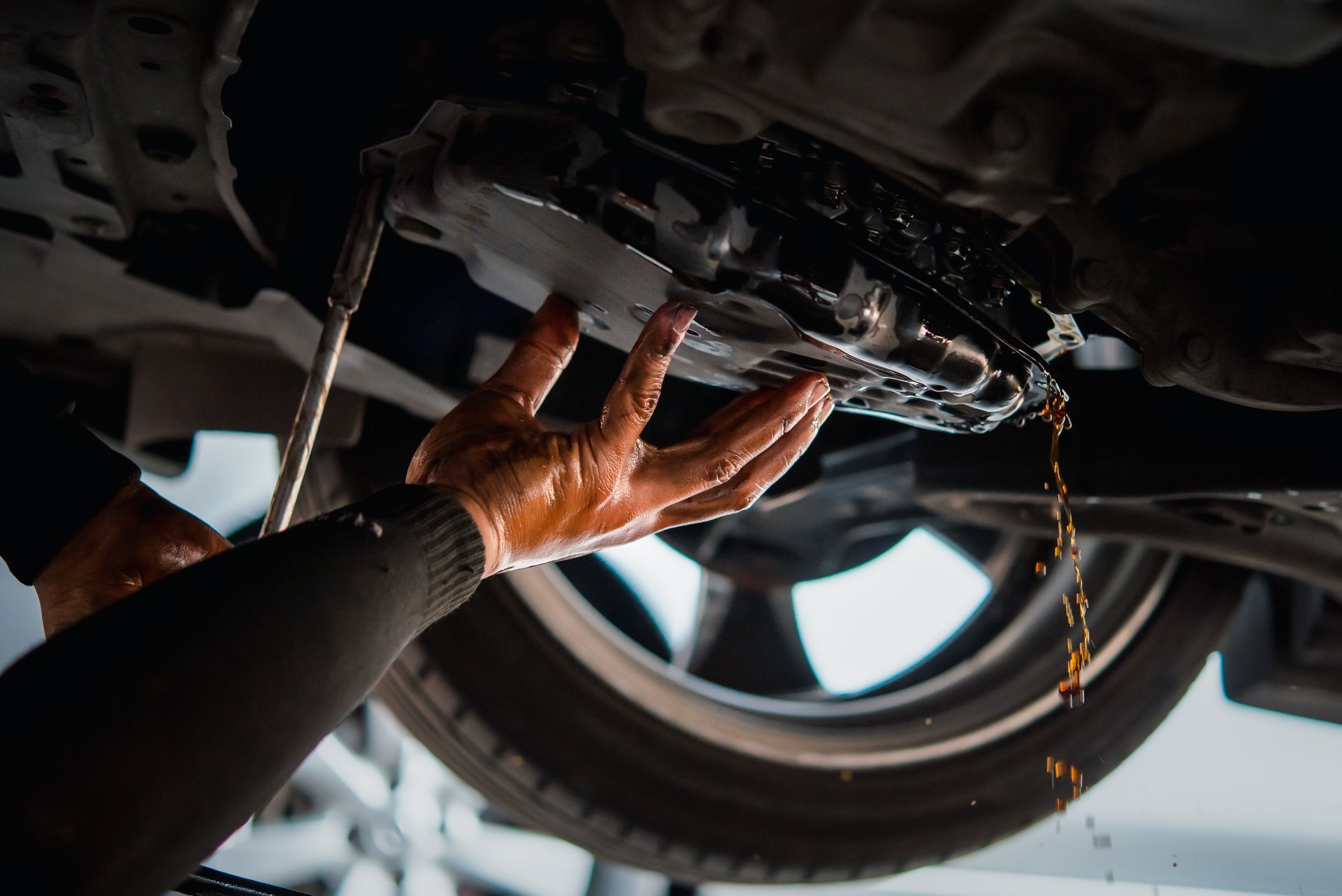
Learn the difference between a transmission flush and fluid change from Elite Auto Experts in Houston, TX.
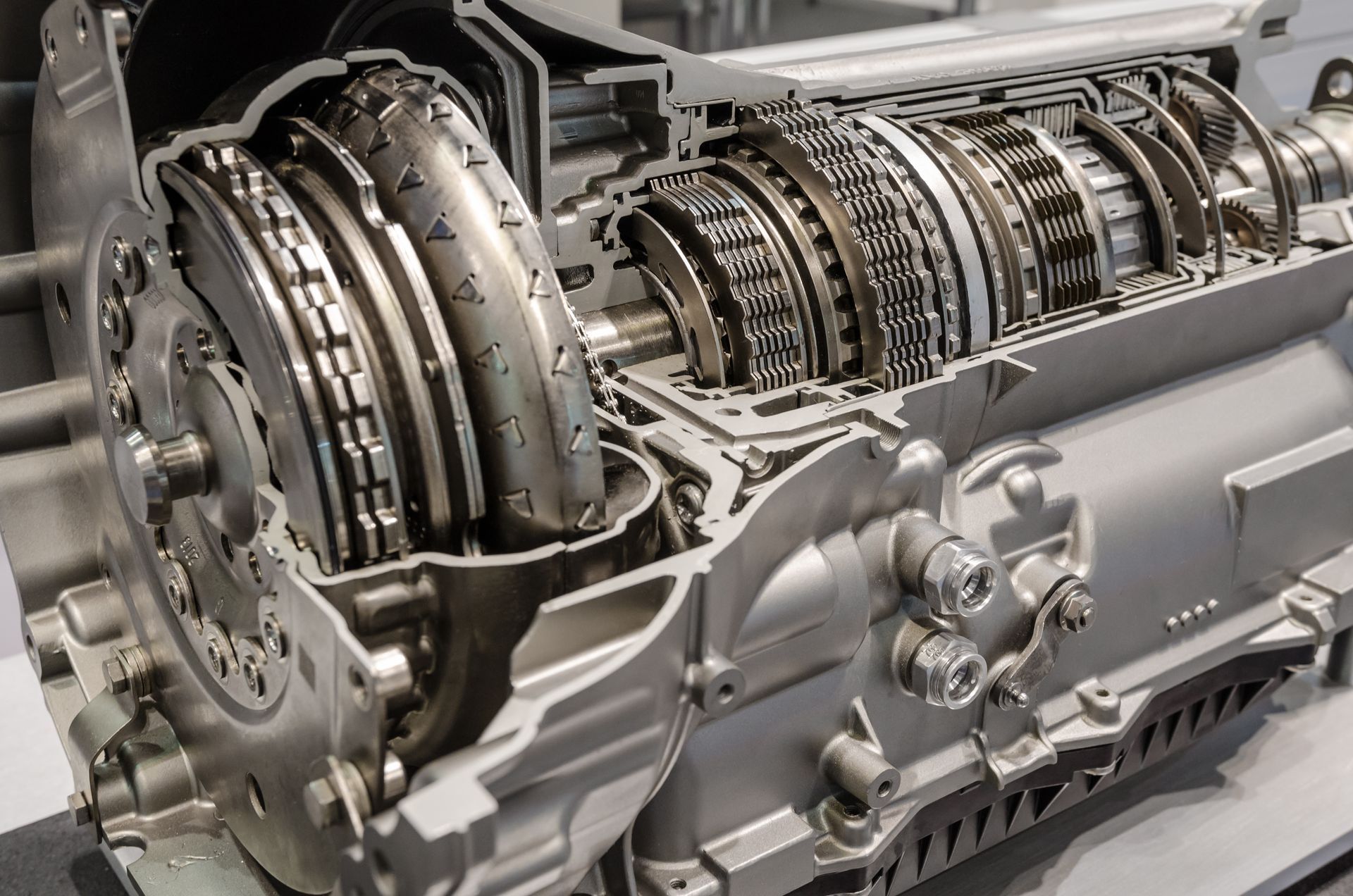
Elite Auto Experts in Houston, TX, explains the warning signs that your European car may need transmission repair soon.

Elite Auto Experts in Houston, TX, answers common auto repair questions customers frequently ask.
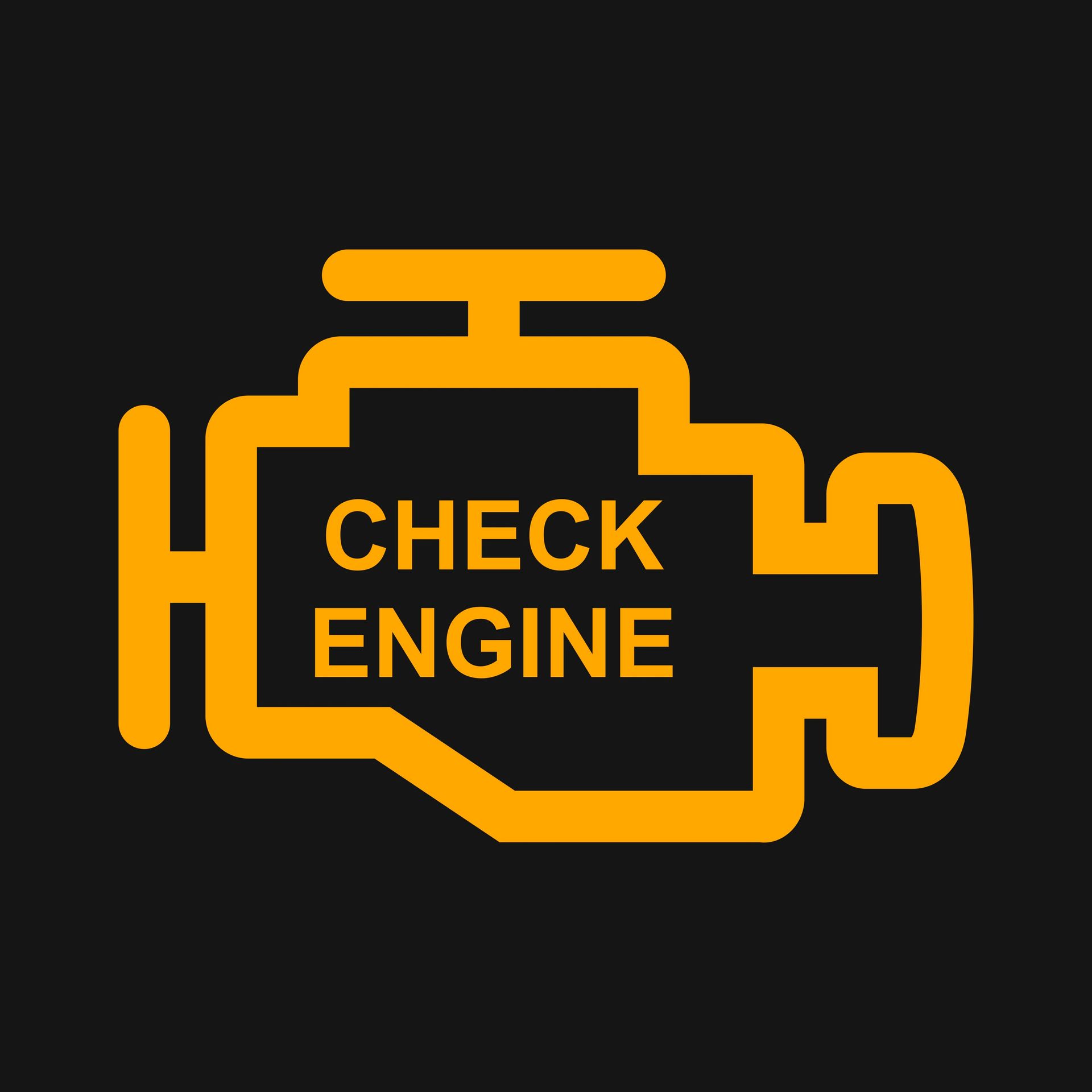
Elite Auto Experts in Houston, TX, explains why a check engine light scan is not the same as a true engine diagnostic.
If your car won’t start or struggles to turn on, it’s a clear sign that something is wrong—and it’s not something you want to ignore. Starting issues can be inconsistent and frustrating, especially when your vehicle works one moment and fails the next.
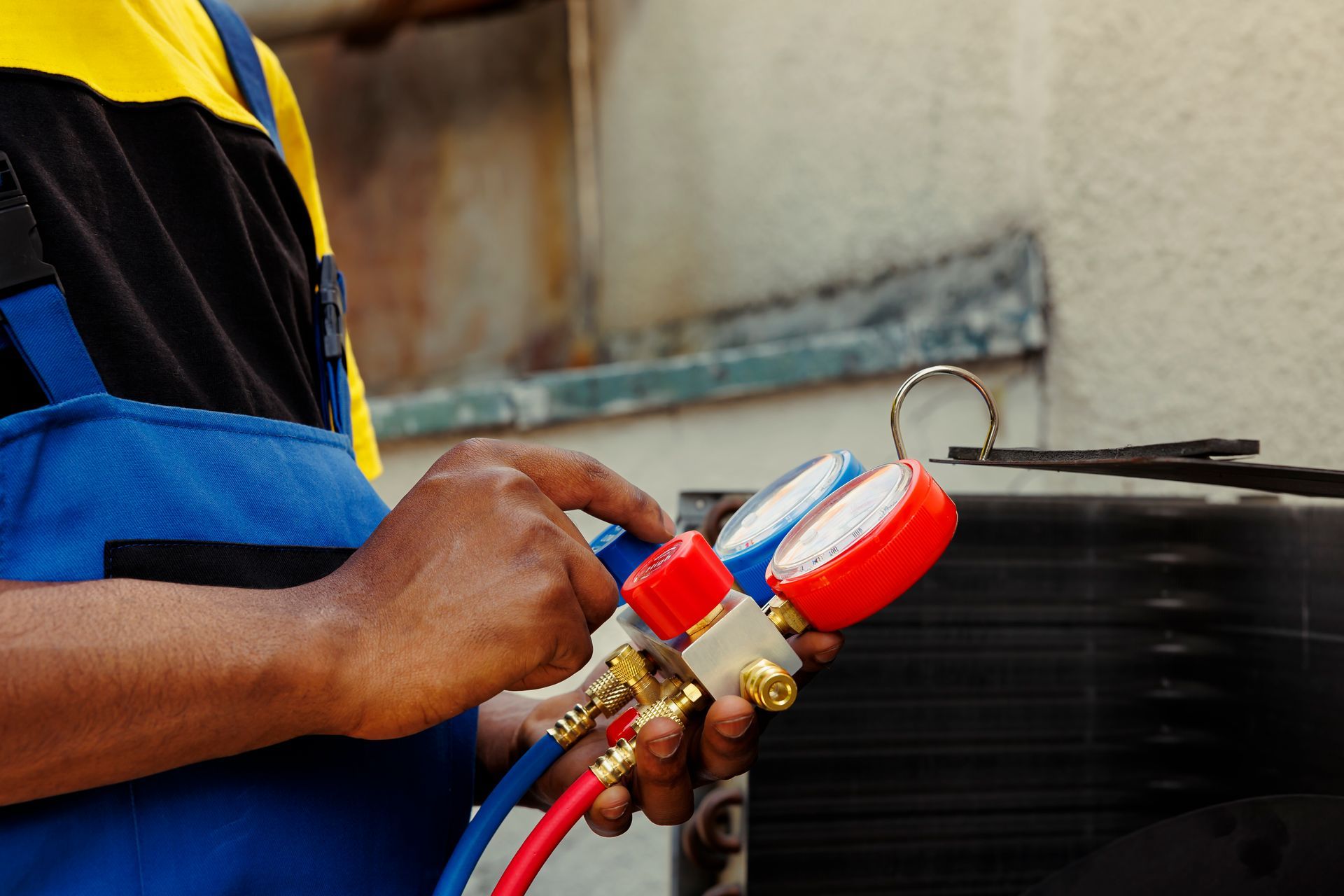
If your car’s AC blows cold air while you’re driving but turns warm when you stop at a red light or sit in traffic, it’s a clear sign that your AC system isn’t functioning properly. In a city like Houston, where heat and humidity are intense, this issue can quickly become more than just uncomfortable—it can make your daily drive unbearable.
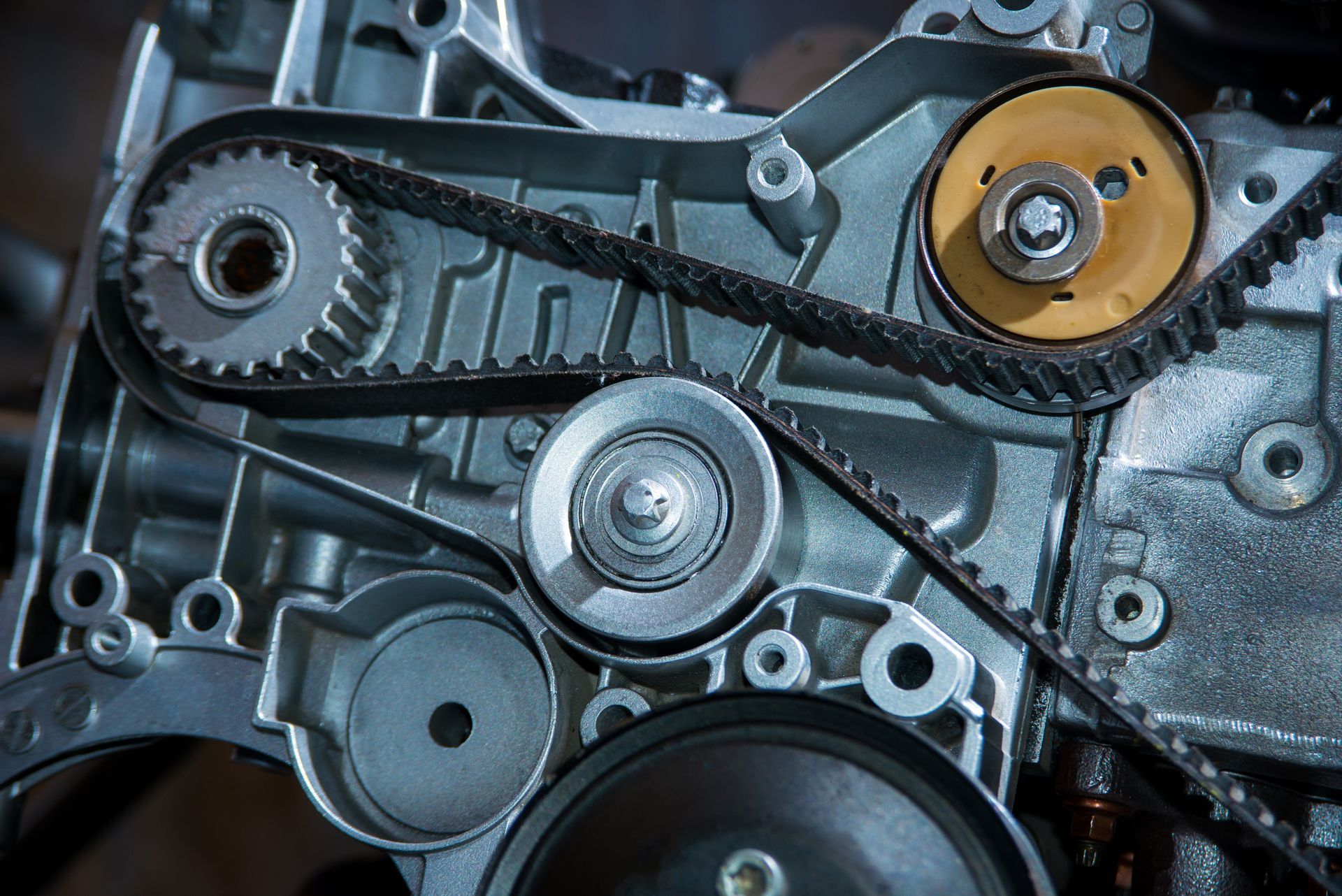
Elite Auto Experts in Houston, TX, explains six car problems that often get worse in hot weather and how to spot early signs.
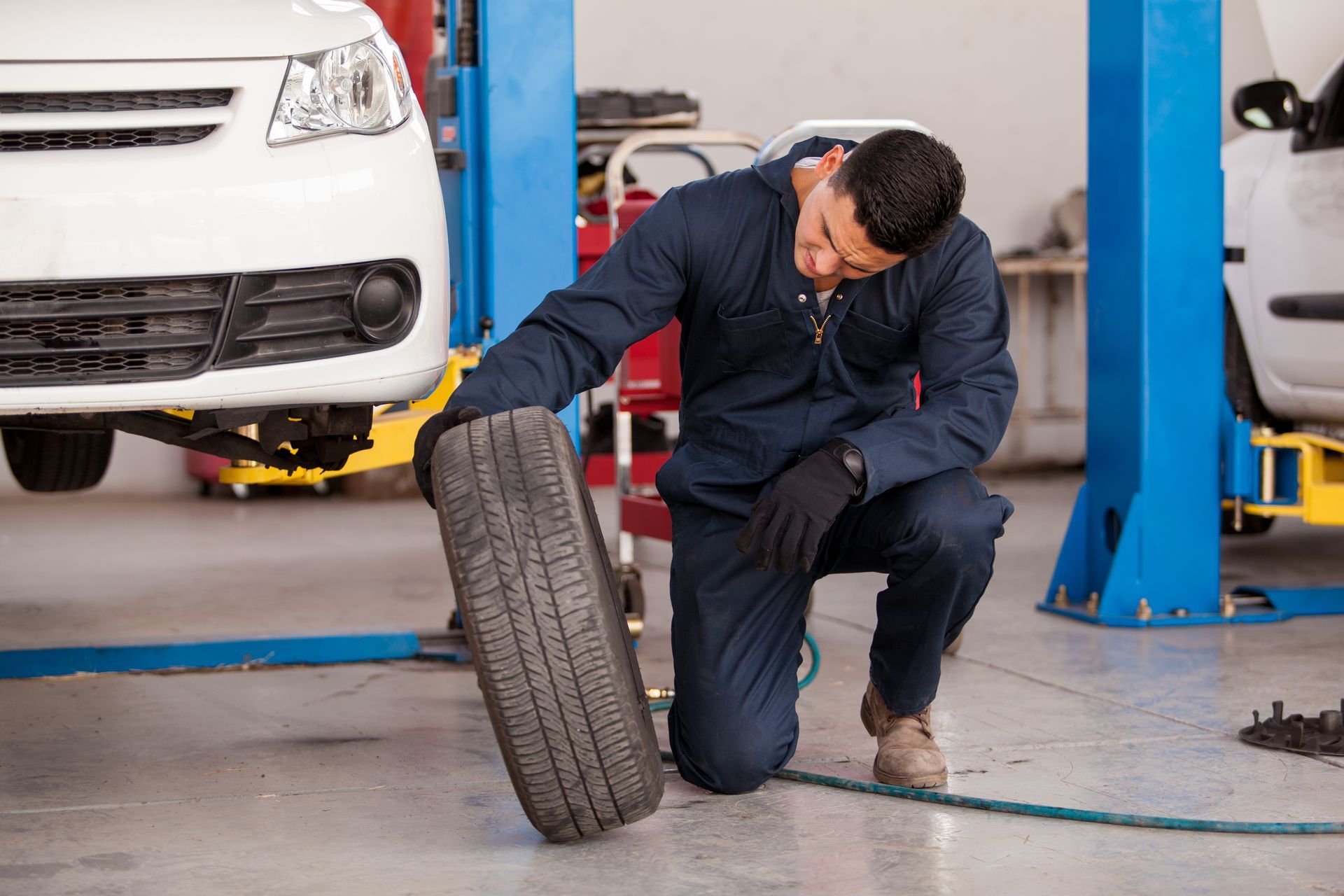
Elite Auto Experts in Houston, TX, explains when to rotate tires and the signs uneven wear means it’s overdue.