A repair you priced last year might cost more today, even when your European car needs exactly the same work. Parts prices change as suppliers buy new inventory, transportation costs shift, and import duties enter the picture. For drivers, the useful question is how those changes affect the repair sitting in front of them.
About 18 months after the March 2025 automobile tariff announcement, that conversation has moved beyond the initial headlines. The announcement came on March 26, 2025, and duties on covered imported automobile parts began on May 3, 2025.
At Elite Auto Experts, we approach the question through the parts your vehicle actually needs: their origin, quality, price, and availability. That gives you a clearer basis for planning European car repairs in Houston.
What Changed With European Auto Parts Tariffs?
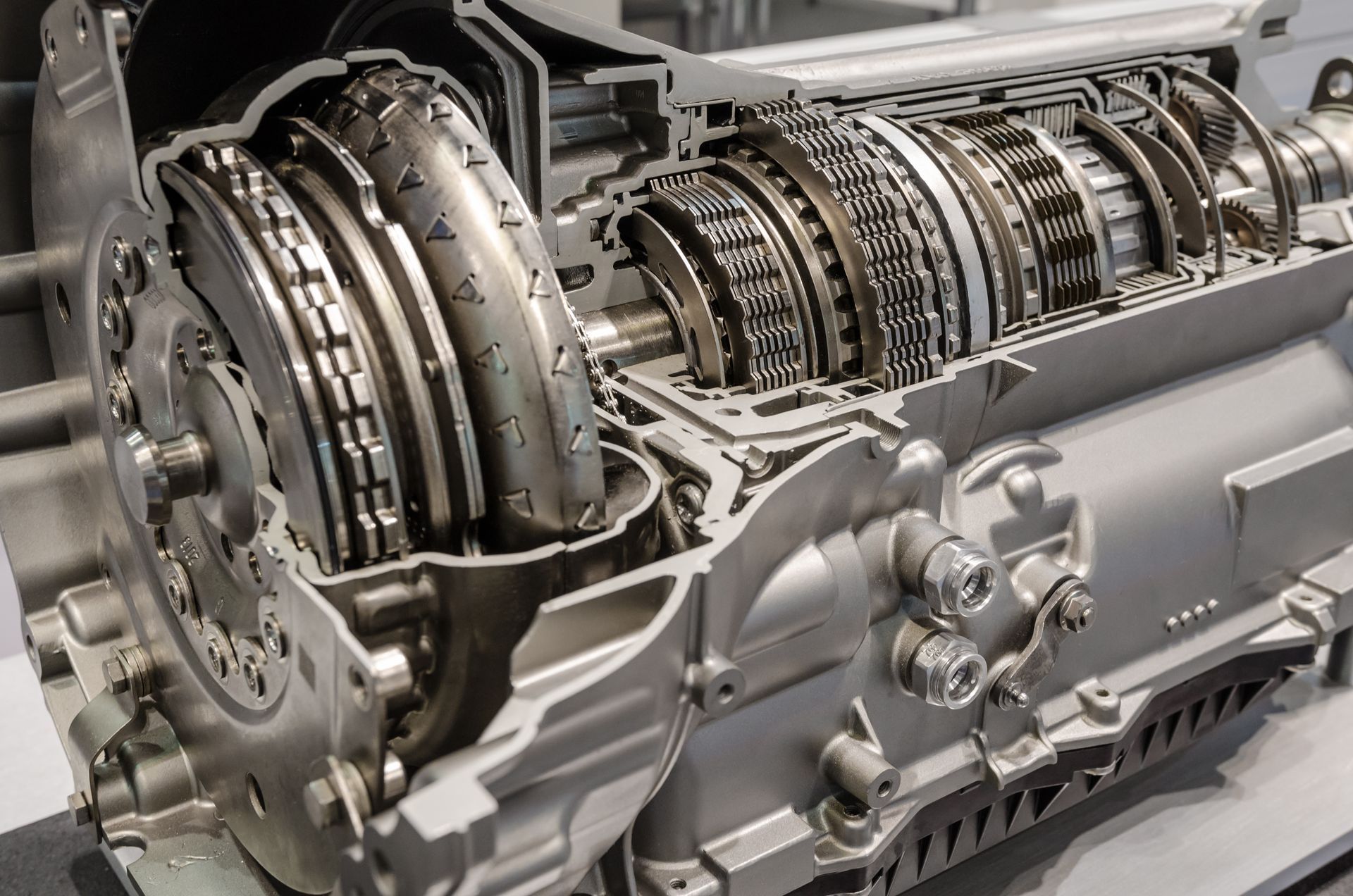
The original 2025 action introduced an additional 25% tariff on certain imported automobile parts. Coverage included listed categories such as engines, transmissions, powertrain components, and electrical components. The customs classification determined whether a particular part fell within the rules.
Later in 2025, the treatment changed for qualifying European Union automobiles and parts. September customs guidance set a combined 15% duty for covered EU products with a normal duty below 15%, effective for qualifying entries beginning August 1, 2025. Products with a normal duty of at least 15% retained that normal rate without an additional automobile tariff under those provisions.
For a repair customer, the takeaway is straightforward: the original 25% announcement tells only part of the story. The part's origin, classification, and import date determine its treatment. Suppliers and importers need to check the rules that apply to the shipment being priced.
Why European Car Parts Have Different Countries of Origin
Your car's badge identifies its manufacturer, but its replacement parts come through an international supply chain. A component for a BMW, Mercedes-Benz, Audi, or Volkswagen might be manufactured in Europe, the United States, or another region.
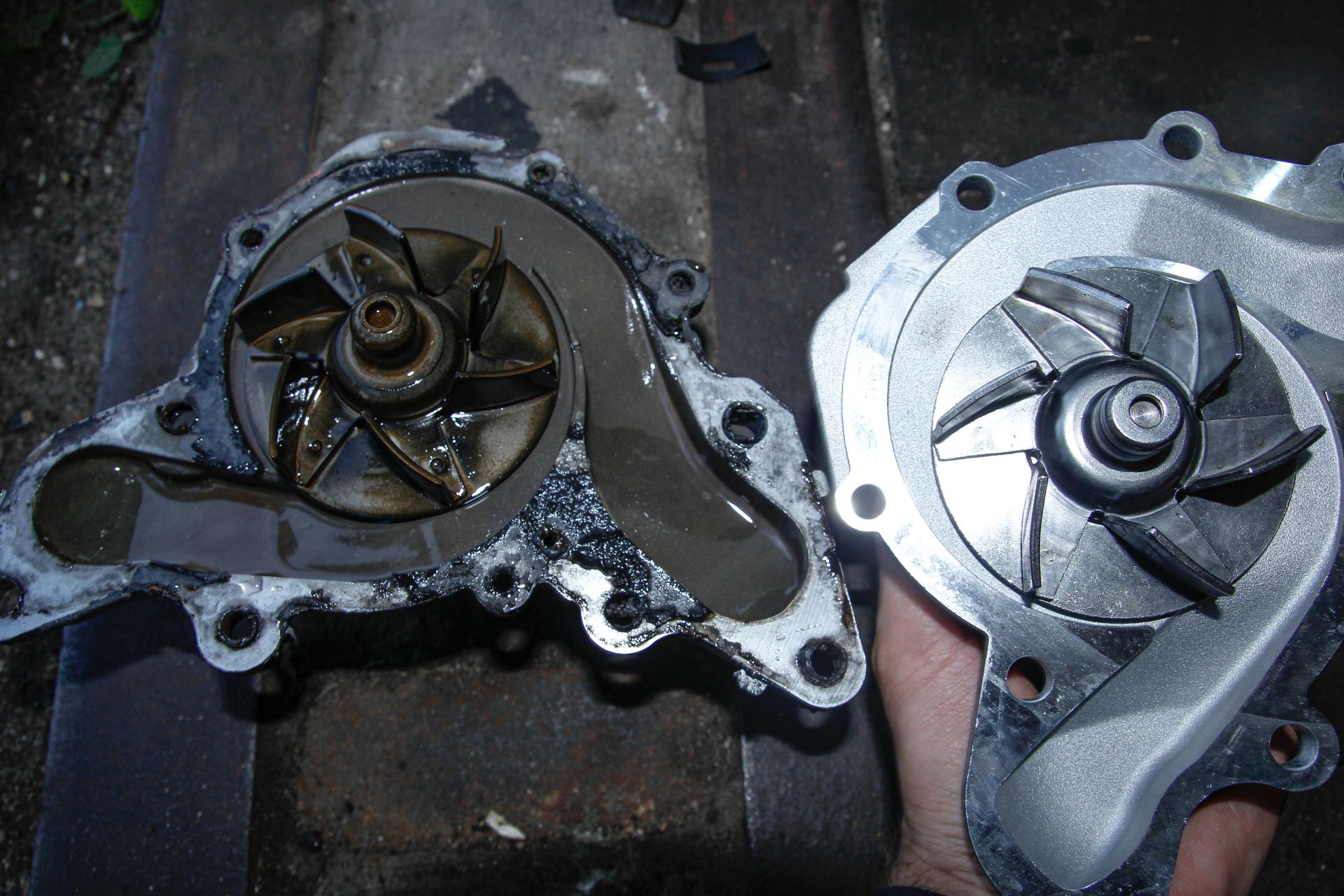
Even parts used on the same vehicle can have different origins. A sensor and a cooling-system component might come from separate factories and arrive through different distributors. Buying from a U.S. warehouse tells you where the stock is located, while the country of manufacture helps determine its import treatment.
This is also why choosing a replacement starts with the vehicle's exact application. The model, engine, production date, and equipment affect which part belongs in the repair. Price becomes useful once those details line up.
How Tariffs Reach Your European Car Repair Bill
The importer pays the duty when a covered shipment enters the country. From there, the expense moves through the supply chain according to how manufacturers, distributors, and suppliers price their products.
Some businesses absorb a portion of a higher cost. Others adjust prices when they replenish inventory. That creates different timing: a part bought from existing stock and the next shipment of that same part might carry different supplier prices.
For a simple illustration, a hypothetical part with a $200 customs value would carry $30 in duty at an assumed 15% rate. That example describes the import calculation. The price you pay also includes the costs of getting the part through distribution and into your repair.
Labor remains a separate part of the estimate. When comparing an older quote with a new one, review parts and labor separately. That shows where the increase occurred and whether the proposed work has changed.
European Car Parts Availability After 18 Months
Availability deserves its own conversation. Tariffs add an import expense, while production schedules, shipping, demand, and warehouse stock influence when a component reaches the shop.
A common maintenance part stocked nearby is different from an electronic module that must be ordered from overseas. Older vehicles add another challenge when a component has limited production or has been discontinued.
For your appointment, the useful information is specific: whether the correct part is in stock, where it will come from, and its expected arrival date. Those details help us plan the work and give you a realistic idea of how long the vehicle will be unavailable.
If the repair requires several related components, their arrival dates should be reviewed together. Having the main part ready while waiting for a required seal or connector still affects completion.
Comparing Genuine, Original Equipment, and Aftermarket Parts
Higher parts prices naturally encourage drivers to explore alternatives. The comparison should include fit, construction, compatibility, and warranty alongside the purchase price.
Genuine parts are supplied through the vehicle manufacturer's parts network. Original equipment supplier parts and aftermarket replacements offer other options, depending on the component and application. The right choice varies with the work being performed.
Electronic components deserve special attention because installation may require programming, setup, or calibration. A listing that appears inexpensive becomes less appealing if it creates compatibility problems or leaves required work outside the quoted price.
At Elite Auto Experts, we can discuss the choices available for your repair and explain what the estimate includes. The goal is a completed repair that suits your vehicle and your ownership plans.
Questions to Ask About European Car Parts Prices
Before approving the work, these questions help make the estimate easier to understand:
- Which exact part and application are being quoted?
- Is the replacement genuine, an original equipment supplier part, or aftermarket?
- Is the correct part available now?
- What arrival date has the supplier provided?
- Does the price include required seals, hardware, and setup?
- What warranty covers the part and installation?
An itemized estimate gives those answers a place to live. Keep it with the completed invoice so future comparisons include the same scope of work.
Planning European Car Maintenance Around Parts Availability
Scheduled maintenance provides breathing room. Reviewing upcoming service gives you time to choose parts and schedule an appointment before a worn component causes an unexpected breakdown.
An active leak, overheating, or unreliable braking needs a faster response. Explain the symptoms when booking so we can discuss urgency and safe transportation.
European Car Repair at Elite Auto Experts
Elite Auto Experts in Houston, TX, can review your European vehicle's repair needs, available parts, and service options. Bring an earlier estimate if you want to compare costs, and we'll walk through the work and components included.
Call
Elite Auto Experts to schedule European car repair and request an estimate for your vehicle.