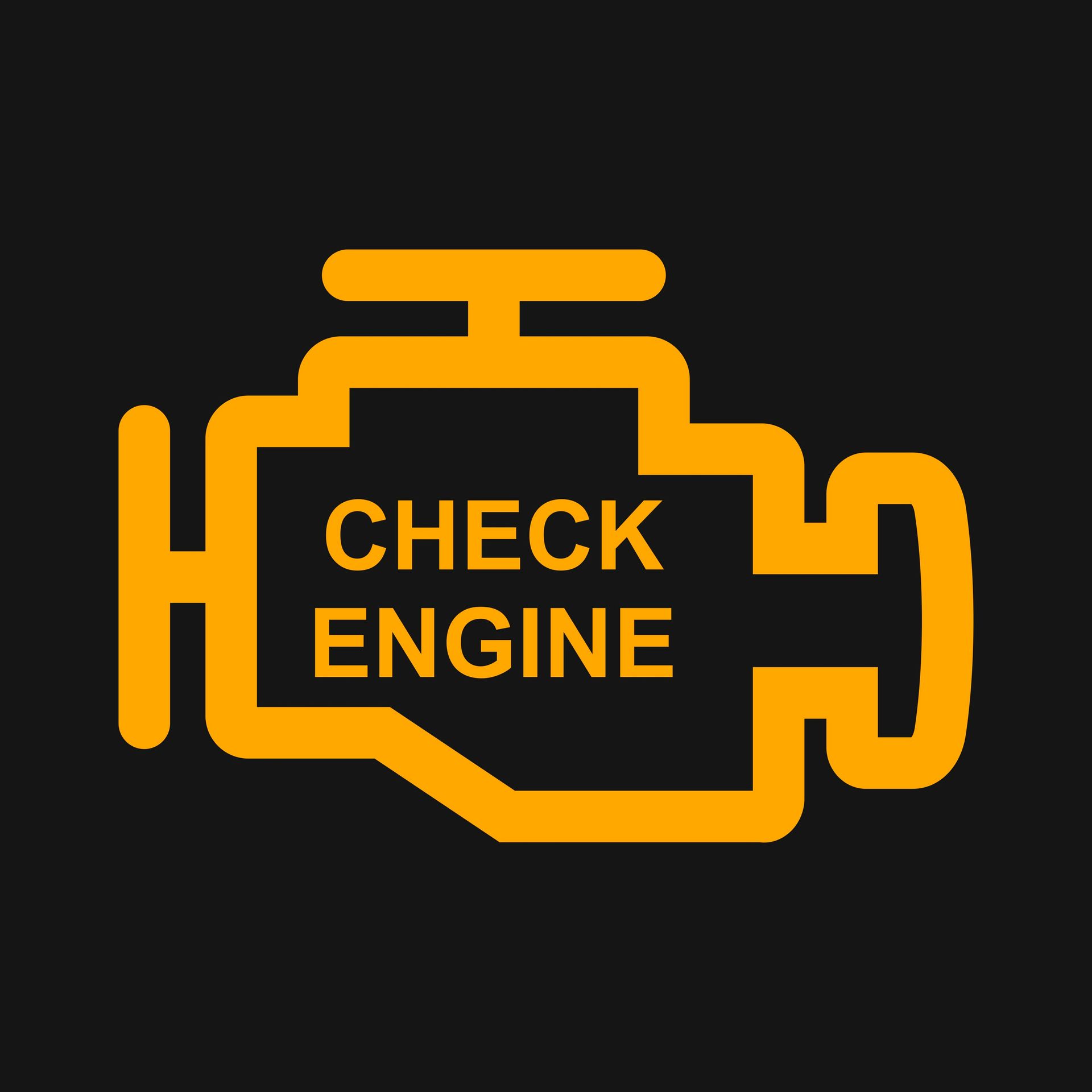
Hot weather puts every part of a vehicle under greater strain. Engine temperatures rise faster, fluids thin out, rubber parts dry out, and anything already worn becomes much more apparent. A car that seemed fine in mild weather will suddenly start acting up once the heat settles in for a few days.
That is why summer driving exposes weak points so quickly.
1. Cooling System Leaks Become Harder To Ignore
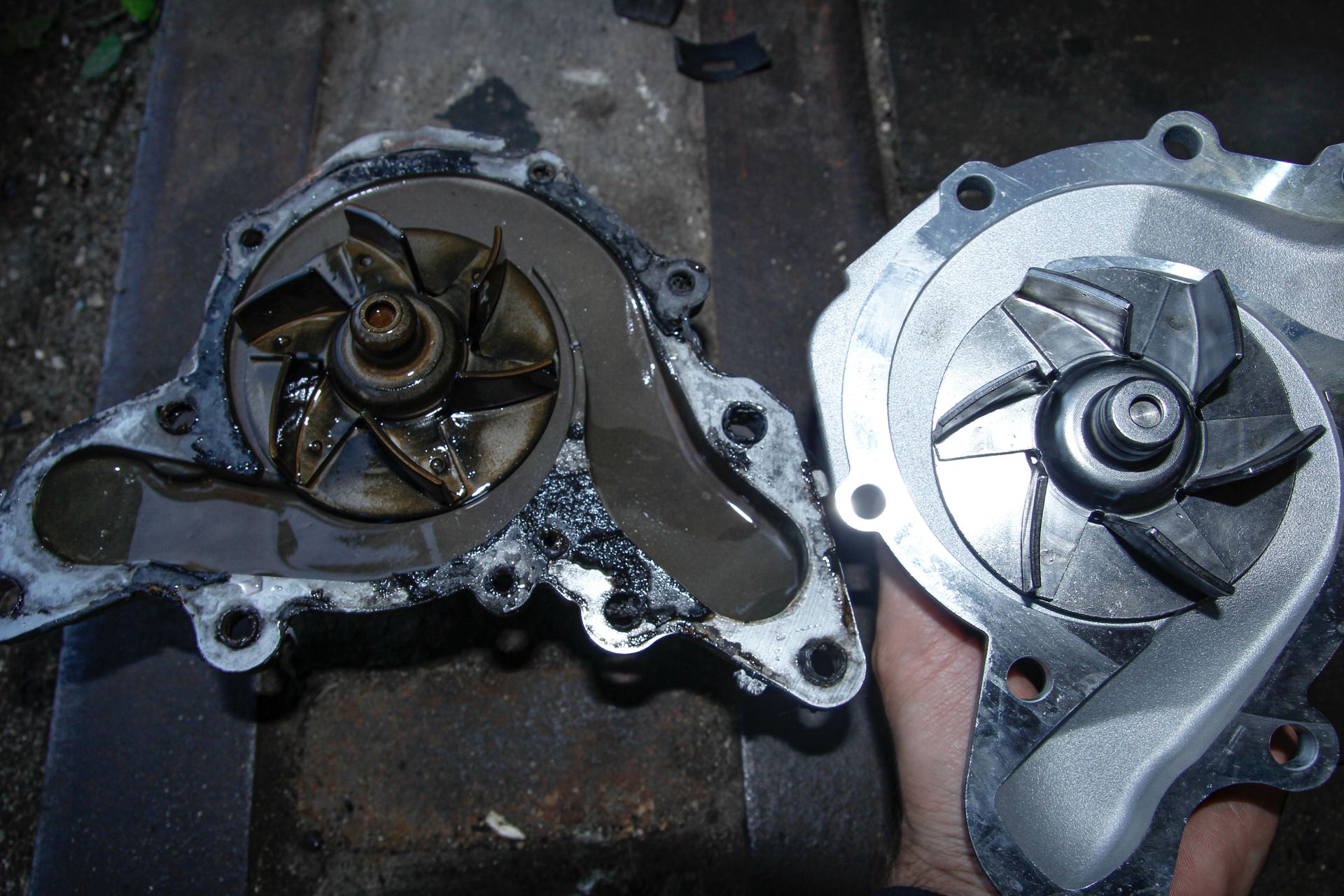
A small coolant leak usually gets much worse in hot weather. The engine is already working against higher outside temperatures, so the cooling system has less room for error. A weak hose, aging radiator tank, loose clamp, or tired water pump seal will show itself much faster when the system is under extra heat and pressure.
This is one of the biggest reasons overheating complaints spike in summer. A vehicle that stays just cool enough in spring will start creeping up on the temperature gauge once traffic slows down, the A/C is running, and the coolant level drops a little more. During regular maintenance, small leaks like these are much easier to catch before they turn into a roadside problem.
2. Batteries Fail Faster In High Heat
A lot of drivers associate battery trouble with winter, though summer heat is rough on batteries in its own way. High temperatures speed up chemical breakdown inside the battery and shorten its overall life. Heat will not always kill the battery in one day, but it steadily weakens it until one hot afternoon or morning startup pushes it over the edge.
That is why battery failures seem to come out of nowhere. The engine may crank a little slower for a week or two, or electrical accessories might feel slightly weaker, then the car suddenly will not start. Once a battery is already near the end of its life, extreme heat finishes the job quickly.
3. Tires Lose Strength And Air Pressure Stability
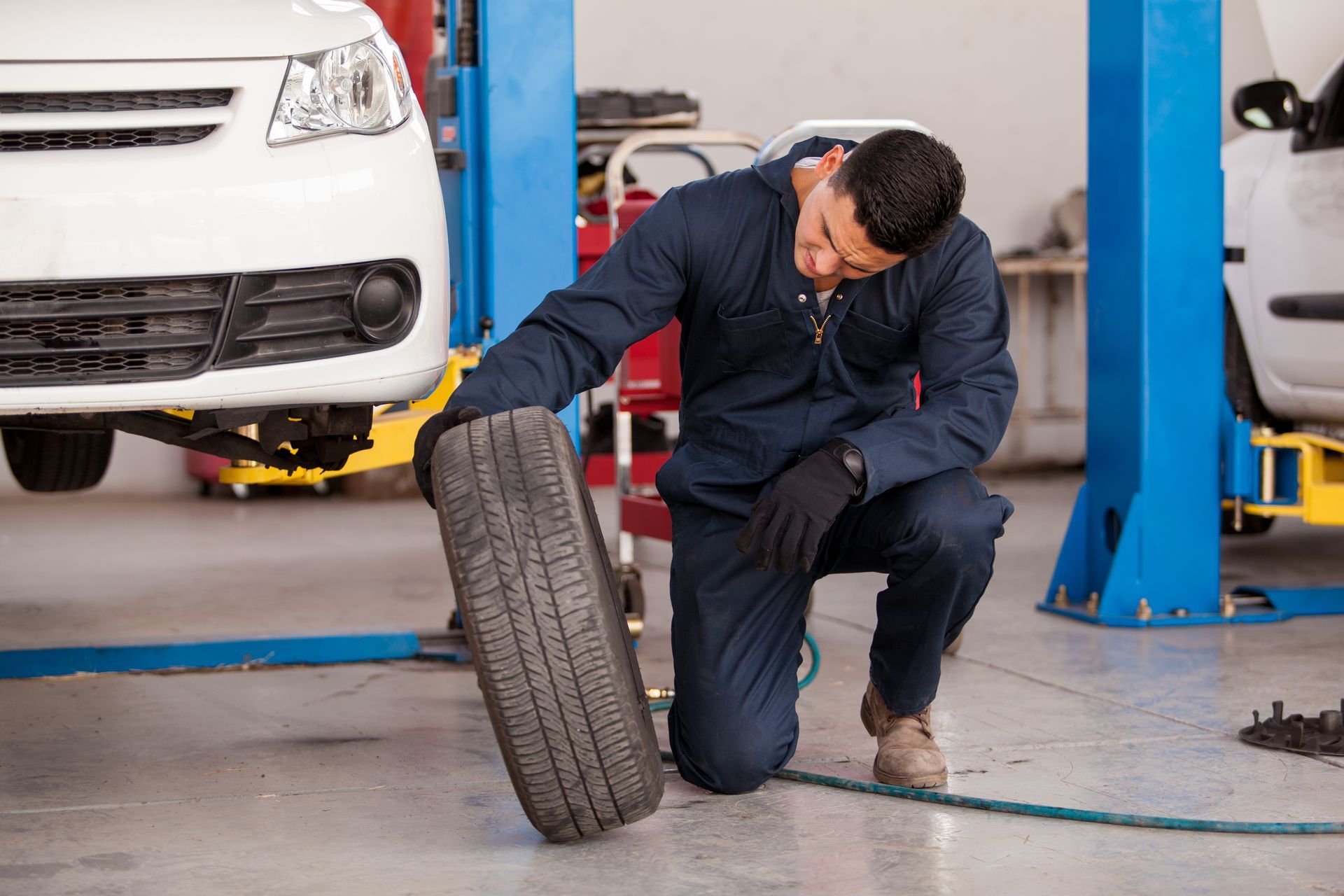
Tires take a beating in summer, especially on long drives and hot pavement. Heat builds inside the tire as you drive, and that added temperature puts more stress on worn tread, aging rubber, and weakened internal structure. A tire that is already marginal will show it sooner in July than it did in April.
Watch for signs like these:
- Uneven tread wear near the edges or center
- Cracks in the sidewall or between tread blocks
- A vibration that gets worse at highway speed
- Pressure readings that swing more than expected
This is why tire condition deserves a real inspection before the road trip season. Heat alone does not create a bad tire, though it will reveal one quickly.
4. Engine Oil Breaks Down Faster Under Stress
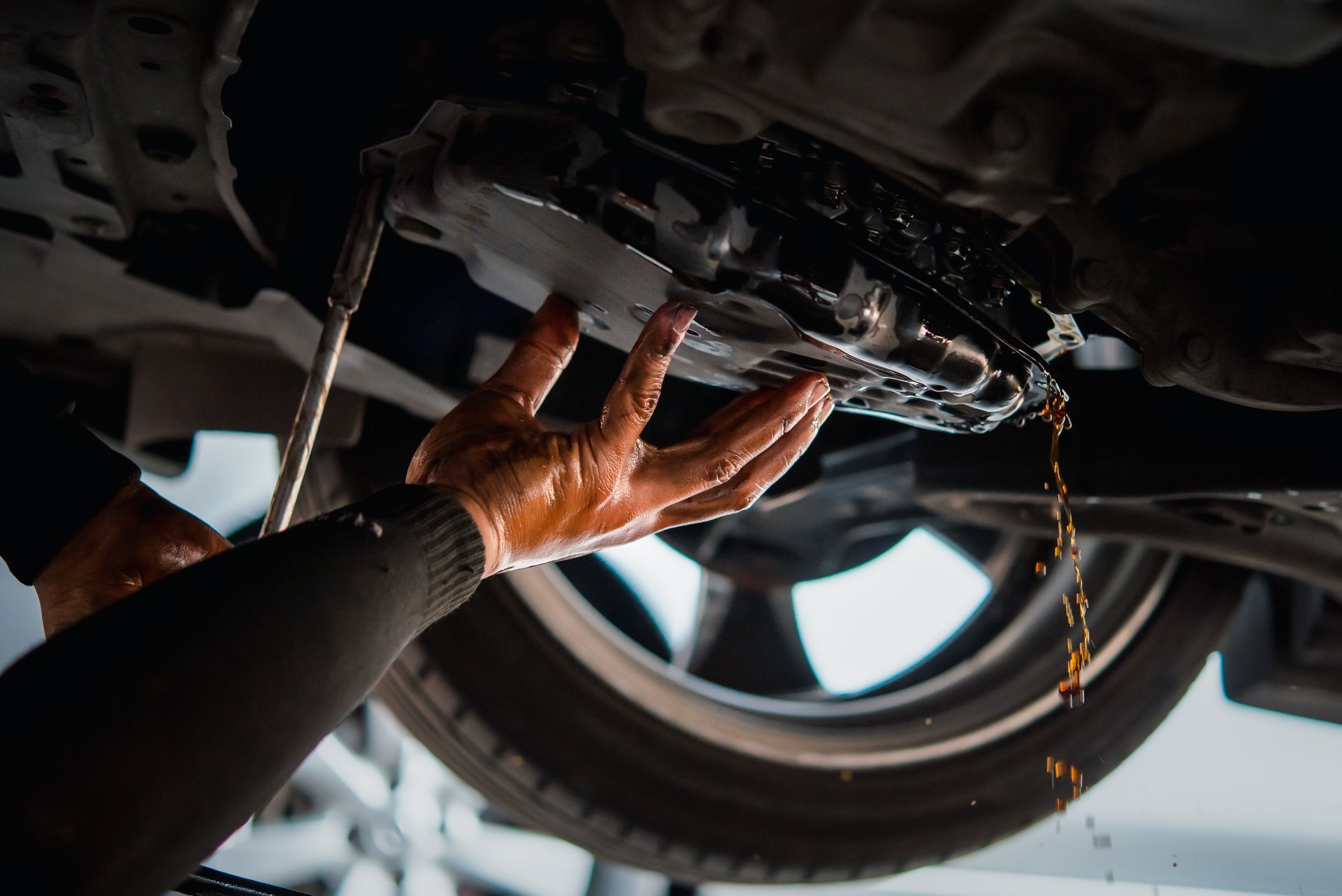
Engine oil has a tough job in hot weather. It has to protect moving parts while carrying extra heat away from bearings, pistons, and valve train components. Once the oil is old, low, or already contaminated, high temperatures reduce its ability to protect the engine the way it should.
That leads to faster wear, noisier operation, and rising engine temperatures under load. Drivers with overdue oil changes usually notice the difference during long drives, heavy traffic, or steep grades. Heat will not forgive neglected oil service for very long.
5. Air Conditioning Problems Get Exposed Fast
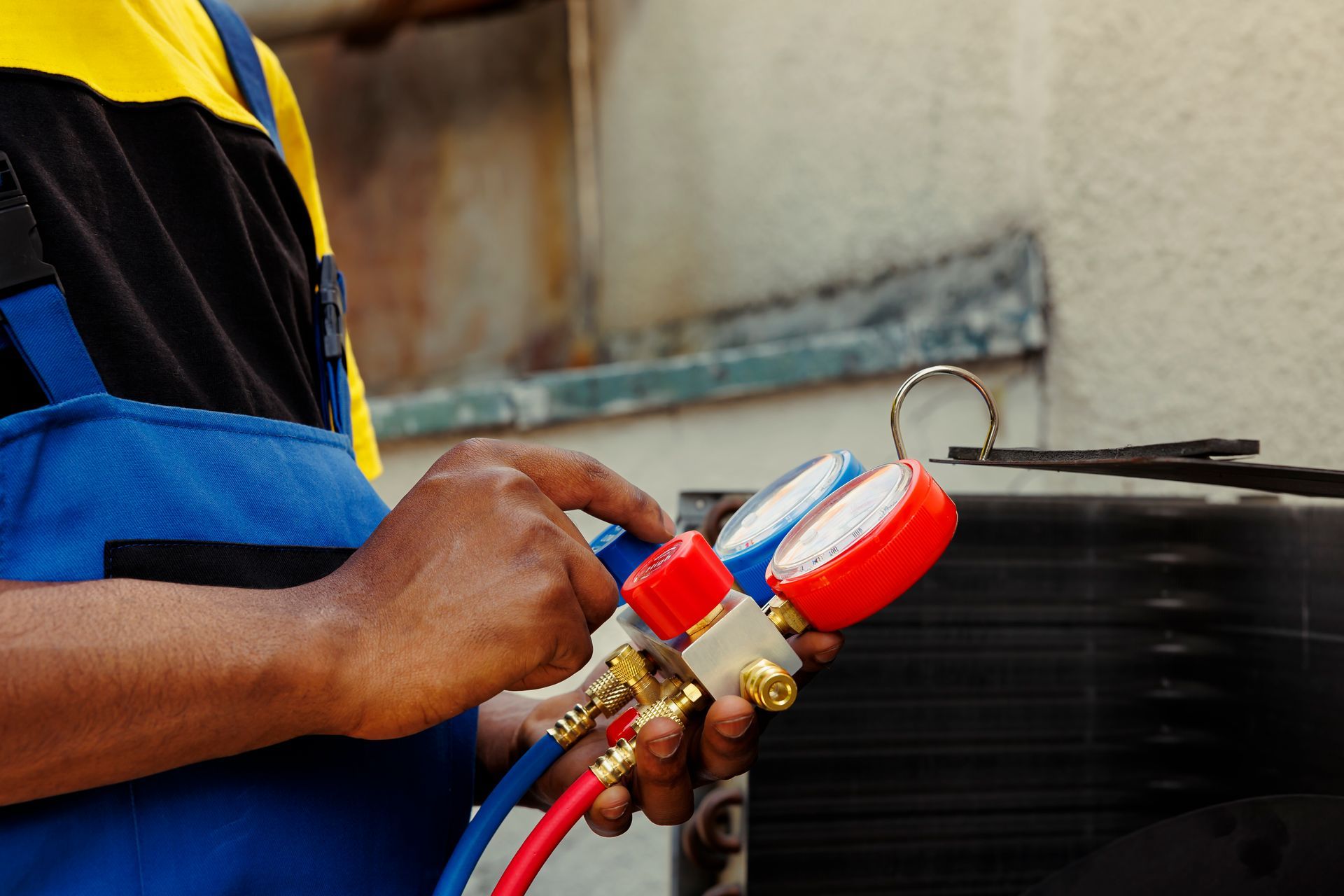
A weak A/C system might still produce cool air on a mild day, which is why some drivers assume everything is fine. Then a heat wave arrives, cabin temperatures climb, and the system can no longer keep up. Low refrigerant, weak condenser airflow, a worn compressor, or cooling fan trouble becomes obvious in a hurry once outside temperatures spike.
This is especially noticeable at idle or in stop-and-go traffic. The system may cool acceptably while moving, then blow warmer air at red lights or in drive-thru lines. When that pattern shows up, the problem is already developed enough to deserve attention before more strain is placed on the compressor.
6. Belts, Hoses, And Rubber Parts Dry Out
Heat is rough on rubber. Serpentine belts, coolant hoses, vacuum lines, and other rubber components harden, dry out, and lose flexibility as they age. Once summer heat adds another layer of stress, cracking and failure become much more likely.
This kind of wear is easy to miss until a belt starts squealing or a hose finally gives way. That is why older vehicles tend to experience more heat-related breakdowns, even when they were running well a few weeks earlier. A quick underhood check will usually reveal whether those rubber parts are still in solid shape or already nearing the end.
Why Summer Problems Escalate So Quickly
Heat raises the strain level across the entire vehicle simultaneously. The cooling system works harder, the battery runs hotter, the A/C stays under longer load, and tires deal with hotter pavement every mile. When several parts are already worn, summer tends to expose all of them in the same stretch of time.
That is why waiting rarely helps. Small issues turn into overheating, no-starts, weak A/C performance, or tire trouble much faster once the weather gets extreme. Staying ahead of those wear points is one of the best ways to keep the car dependable through the hottest part of the year.
Get Car Maintenance and Repair In Houston, TX With Elite Auto Experts
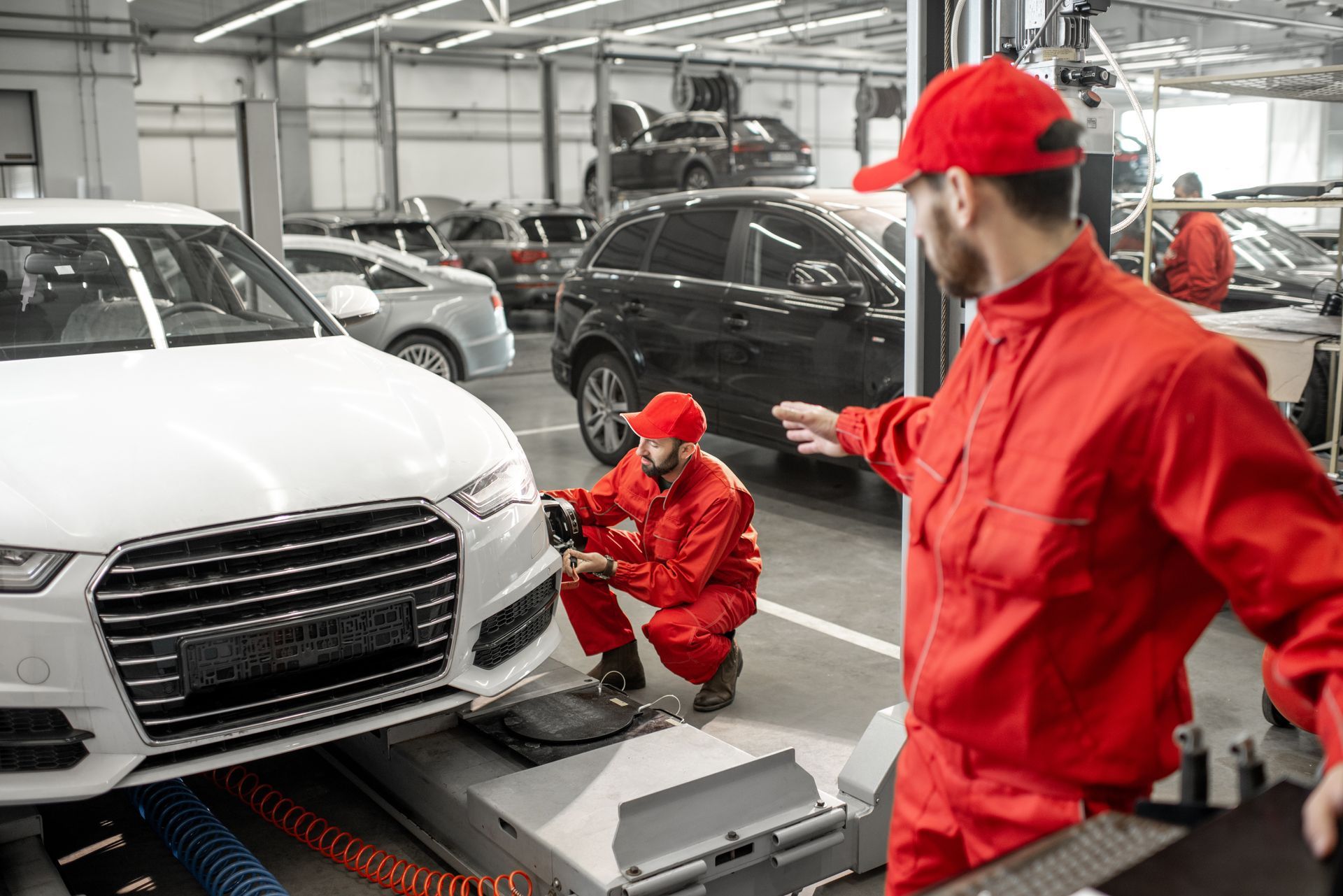
If your vehicle has been struggling more as temperatures rise, Elite Auto Experts can check the systems that take the biggest hit in summer and correct problems before they leave you stuck in the heat. A little preventive service now is far easier than dealing with a breakdown on a scorching day.
Bring your car in and get ahead of the problems summer will keep making worse.