Most of the time, you do not think about your steering system until the wheel feels off. You just turn the wheel and expect the car to go where you point it. Underneath that simple motion, there is a lot of hardware working together, and different vehicles use different steering designs with their own strengths, weaknesses, and maintenance needs.
What Your Steering System Really Does
The steering system’s basic job is to translate the movement of the steering wheel into a change in your front wheel angle. It has to do that smoothly, with the right amount of assistance, and without a lot of play or delay. At the same time, it needs to handle bumps, road crown, and cornering forces without sending every shock straight into your hands.
Modern steering also talks to safety systems. Stability control, lane keeping, and parking assist all depend on accurate steering angle information. If something inside the steering is worn or loose, those systems may not behave the way they were designed to.
Manual Steering vs Power Steering
Older vehicles and some specialty models used to rely on pure manual steering. The wheel was directly connected to the steering gear and linkage, and your arms provided all the force. At low speeds and in parking lots, that meant a heavy steering feel, especially with wider tires.
Most modern vehicles use some form of power assist so you can turn the wheels easily at low speed and still have a stable feel on the highway. Power steering reduces effort, but it also adds pumps, hoses, motors, and control units that need to be maintained. When we inspect a vehicle, one of the first questions we answer is “what kind of power assist does this actually have?”
Recirculating Ball vs Rack-and-Pinion Steering Gears
The steering gear is the heart of the system. Two main types show up in passenger vehicles and light trucks:
Recirculating ball gears are more common in older vehicles and heavier trucks. They use a worm gear and ball bearings to move a pitman arm that turns the wheels through linkage. They are strong and handle heavy loads, but can feel a bit less precise when they wear.
Rack-and-pinion gears are common on modern cars and many SUVs. A pinion gear on the steering shaft moves a toothed rack side to side, directly pushing the tie rods. This design gives a more direct, precise steering feel and is easier to package in compact engine bays.
Wear in either type shows up as play in the wheel, wandering, clunks over bumps, or uneven steering effort from one direction to the other.
Hydraulic Power Steering Systems
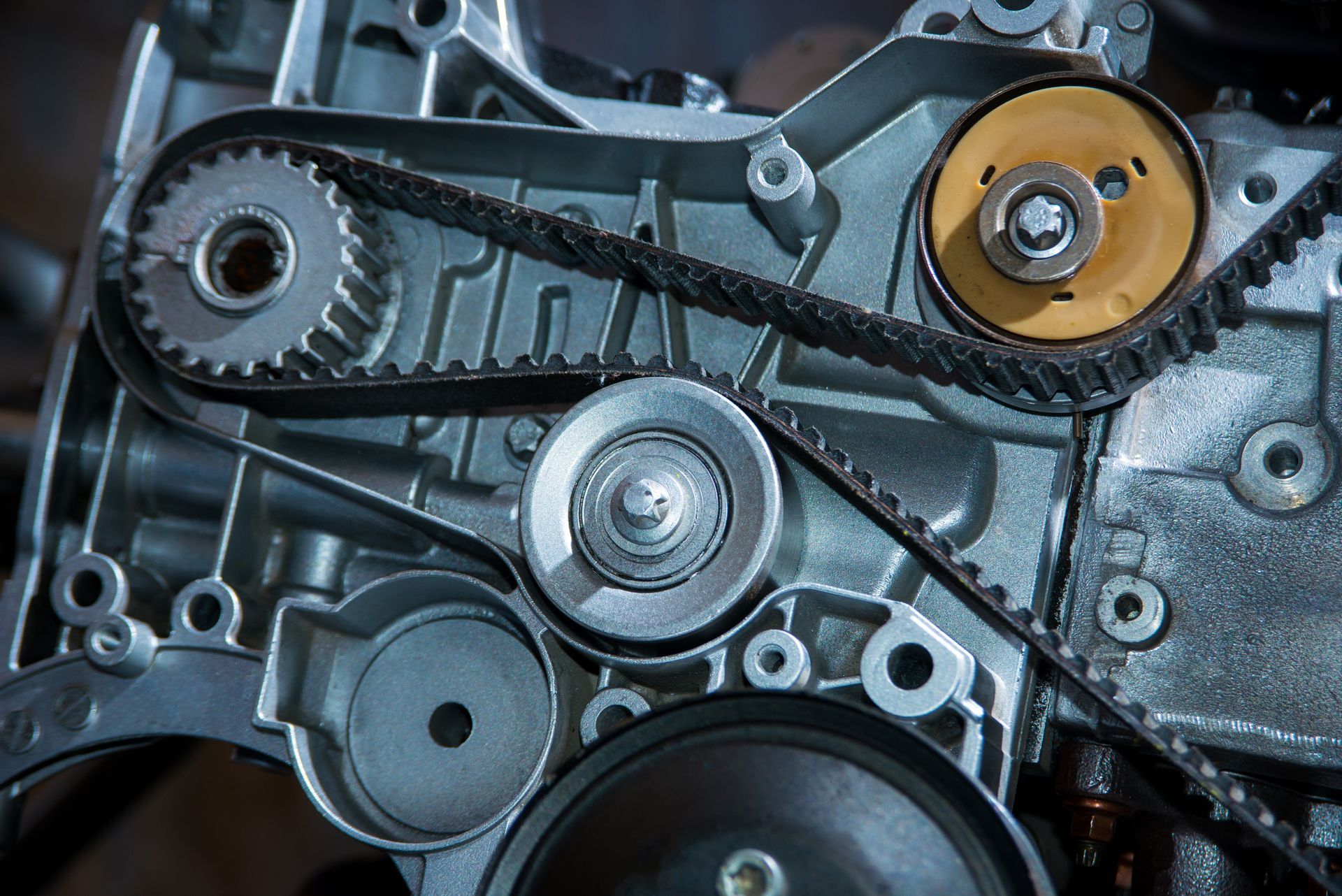
Traditional power steering uses hydraulic pressure. A belt-driven pump sends fluid through hoses to the steering gear, where valves direct pressure to help you turn. When you turn the wheel, you feel the assist as the pump and fluid help move the gear instead of your arms doing all the work.
Typical hydraulic issues include low fluid from leaks, worn pumps that whine, and hoses that seep or burst with age. You might notice heavy steering at idle, groaning noises during parking maneuvers, or spots of fluid under the front of the vehicle. Our technicians still see a lot of these systems on the road, and simple things like fluid condition and hose health make a big difference in how long they last.
Electric and Electro-Hydraulic Power Steering
Newer vehicles often use electric power steering (EPS). Instead of a hydraulic pump, an electric motor provides assistance, usually mounted on the steering column or the rack itself. Sensors measure your steering input and speed, then a control unit decides how much assist to send. At low speeds, the wheel feels light; as you go faster, assist is reduced for better road feel.
There are also electro-hydraulic systems that blend the two ideas. They use an electric motor to drive a hydraulic pump, which still sends fluid to a traditional rack. Common issues on these newer systems include failing assist motors, sensor faults, and software or communication problems. Drivers may notice intermittent heavy steering, warning lights, or steering that feels different from one drive to the next. We rely on scan data and careful testing on these, not just visual inspection.
Advanced Steering: Variable Ratios and Steer-by-Wire
Some modern vehicles use variable-ratio steering or even steer-by-wire setups. Variable ratio systems change how quickly the wheels react as you turn the wheel farther, making low-speed turns easier while keeping small corrections stable at highway speed. Steer-by-wire uses sensors, motors, and software instead of a direct mechanical link in some parts of the system.
These advanced systems can add comfort and precision, but they depend heavily on electronics. A fault may show up as a steering warning light, a sudden change in steering effort, or reduced assist for safety. When we see those complaints, we treat them as more urgent, because steering is not an area where you want intermittent behavior.
How to Tell Which Steering System Your Vehicle Uses
You do not need to take anything apart to get a basic idea of what you have. You can:
- Look in the owner’s manual for mentions of electric power steering, EPS, or hydraulic power steering fluid.
- Glance under the hood for a power steering fluid reservoir and pump; if there is none, the vehicle likely uses EPS.
- Pay attention to feel: vehicles with EPS often change steering weight more dramatically between parking speeds and highway speeds.
If you are not sure, we can quickly identify the system during a visit and explain what type of maintenance it really needs.
Get Steering System Service in Houston, TX with Elite Auto Experts
If your steering feels heavier than it used to, has extra play, makes new noises, or is turning on warning lights, this is a good time to have it checked. We can identify the type of steering system your vehicle uses, inspect the key components, and recommend repairs or maintenance that keep it safe and predictable.
Schedule steering system service with
Elite Auto Experts in Houston, TX, and we will help your vehicle stay confident and stable on every drive.