Modern cars do a lot of self-checking while you drive. Sometimes the dashboard warns you right away. Other times the car logs a problem quietly, long before you feel anything behind the wheel.
That’s where computer diagnostics earn their keep. A proper scan can reveal patterns, sensor readings, and stored trouble codes that point to real problems early, when the fix is usually simpler, and the risk is lower.
1. Misfires Before They Damage The Catalytic Converter
A mild misfire can feel like a small stumble or a rough idle that comes and goes. Diagnostics can track which cylinder is misfiring and how often, even if the problem is intermittent. That matters because repeated misfires can send unburned fuel into the exhaust, potentially overheating the catalytic converter.
In our shop, we often see misfires start as an occasional hiccup under load, then turn into a flashing check engine light later. Catching it early usually keeps the repair focused on ignition or fuel delivery instead of expensive exhaust damage.
2. Small Vacuum Leaks And Lean Running Conditions
Vacuum leaks can be sneaky. A small crack in a hose or a leaking gasket can let extra air into the engine, and the car compensates until it can’t. Diagnostics can show fuel trim numbers, which is the car’s way of saying it has been adding or subtracting fuel to keep the mixture where it belongs.
When fuel trim is consistently high, it often points toward a lean condition caused by unmetered air. Fixing a vacuum leak early can prevent rough idle, stalling, and poor fuel economy that tends to build over time.
3. Weak Oxygen Sensors That Quietly Hurt MPG
Oxygen sensors help the engine adjust fuel delivery. When a sensor gets slow or inaccurate, the car can run richer than it needs to, which drags fuel economy down. Sometimes the check engine light stays off for a while because the sensor has not completely failed, it’s just not responding the way it should.
A diagnostic scan can show how sensors are switching and whether they’re behaving logically. When a sensor is lagging, you often feel it as a sluggish response or notice more trips to the gas station before the car ever feels truly broken.
4. Cooling Fan Or Thermostat Problems Before An Overheat
Overheating does not always start with the temperature gauge climbing to the top. A cooling fan that is not coming on at the right time, a thermostat that is sticking, or a coolant temperature sensor reading incorrectly can all create early warning signs.
Diagnostics can reveal whether the car is commanding the fan on, whether coolant temperature is rising faster than normal, and whether the readings make sense. Finding this early can prevent the kind of heat-related damage that can lead to warped parts and more extensive repairs.
5. Transmission Control Issues That Mimic Mechanical Failure
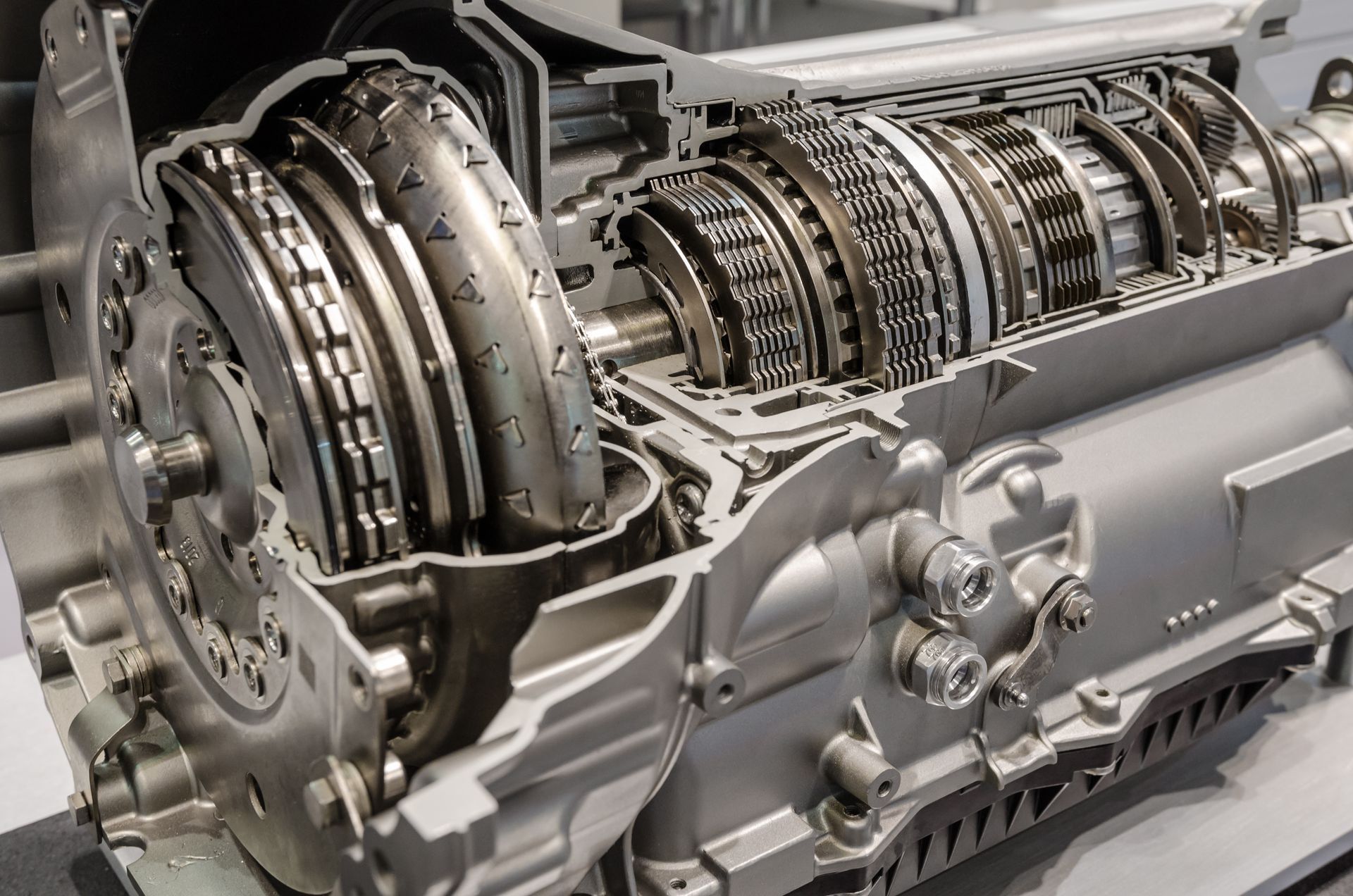
Not every transmission complaint is an internal transmission failure. Modern transmissions rely on sensors, solenoids, and control logic to decide shift timing and pressure. Diagnostics can capture trouble codes, fluid temperature data, and slip values that show whether the issue is control-related or likely mechanical.
We’ve seen vehicles that felt like they were starting to shift poorly, and the cause ended up being an electrical control issue rather than hard part damage. Getting the right diagnosis first can prevent unnecessary repairs and help you make a smarter decision about next steps.
6. Battery, Alternator, And Low-Voltage Problems
Low voltage can make a vehicle act strangely. You might see random warning lights, slow starts, or electronics that behave inconsistently. Diagnostics can show charging voltage, system status, and codes that point toward a battery that is weakening, an alternator that is falling behind, or a connection issue that is creating a voltage drop.
Catching this early matters because low voltage can trigger misleading symptoms. A small charging problem today can become a no-start tomorrow, especially during big temperature swings.
7. EVAP Leaks That Trigger The Check Engine Light Later
The EVAP system manages fuel vapors from the tank. Small leaks are common and can be caused by loose caps, cracked hoses, or failing valves. The car often runs fine, which is why people ignore the early warning signs or assume it’s not urgent.
Diagnostics can identify EVAP-related codes and readiness status, which helps narrow the issue without replacing random parts. Fixing an EVAP leak early keeps the check engine light from becoming a permanent passenger and helps the vehicle stay emissions-compliant.
Get Computer Diagnostics in Houston, TX, with Elite Auto Experts
We can run a full diagnostic scan, interpret the data, and confirm the root cause before repairs begin. We’ve seen how a small warning today can turn into a bigger failure later, so we focus on catching problems early and fixing them correctly.
Call
Elite Auto Experts in Houston, TX, to schedule computer diagnostics and get clear answers from your dashboard.