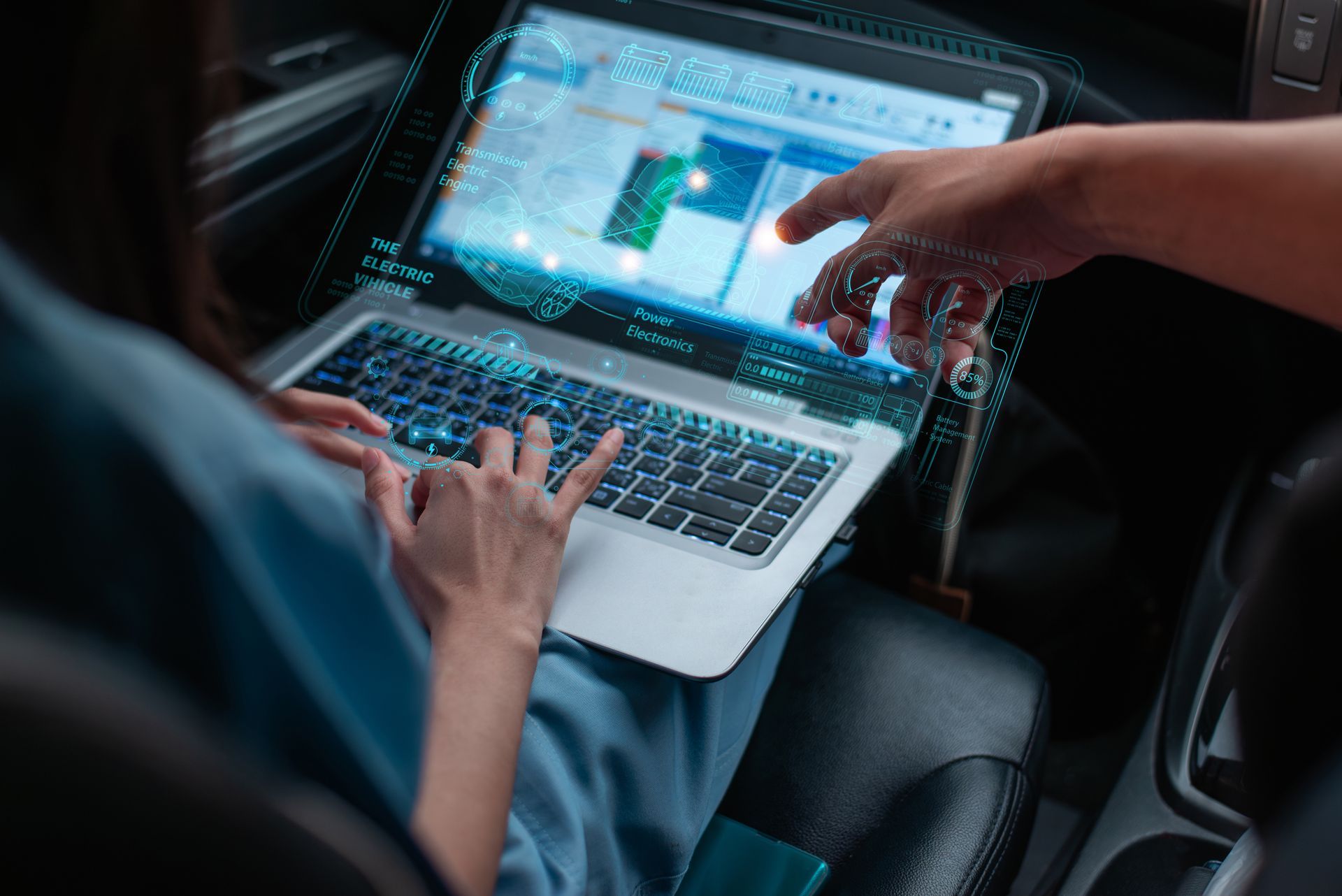
Any qualified mechanic can handle certain basic services on a European vehicle, especially common maintenance such as tires, brakes, batteries, and oil changes. The bigger question is whether the shop has the equipment, technical information, training, and experience needed when repairs become more complex.
Basic Maintenance Is Not Usually the Problem
Many ordinary maintenance services are similar regardless of where a vehicle was built. Brake pads still wear, tires still need replacement, batteries still weaken, and engine oil still needs to be changed.
A competent technician can often handle these jobs without specializing in one particular brand. The important part is following the correct procedure and using parts and fluids that meet the vehicle manufacturer's requirements. A European vehicle may require a specific oil approval, brake fluid specification, coolant type, battery registration process, or torque procedure even during what appears to be a simple service.
European Cars Can Be More Sensitive to Fluid Specifications
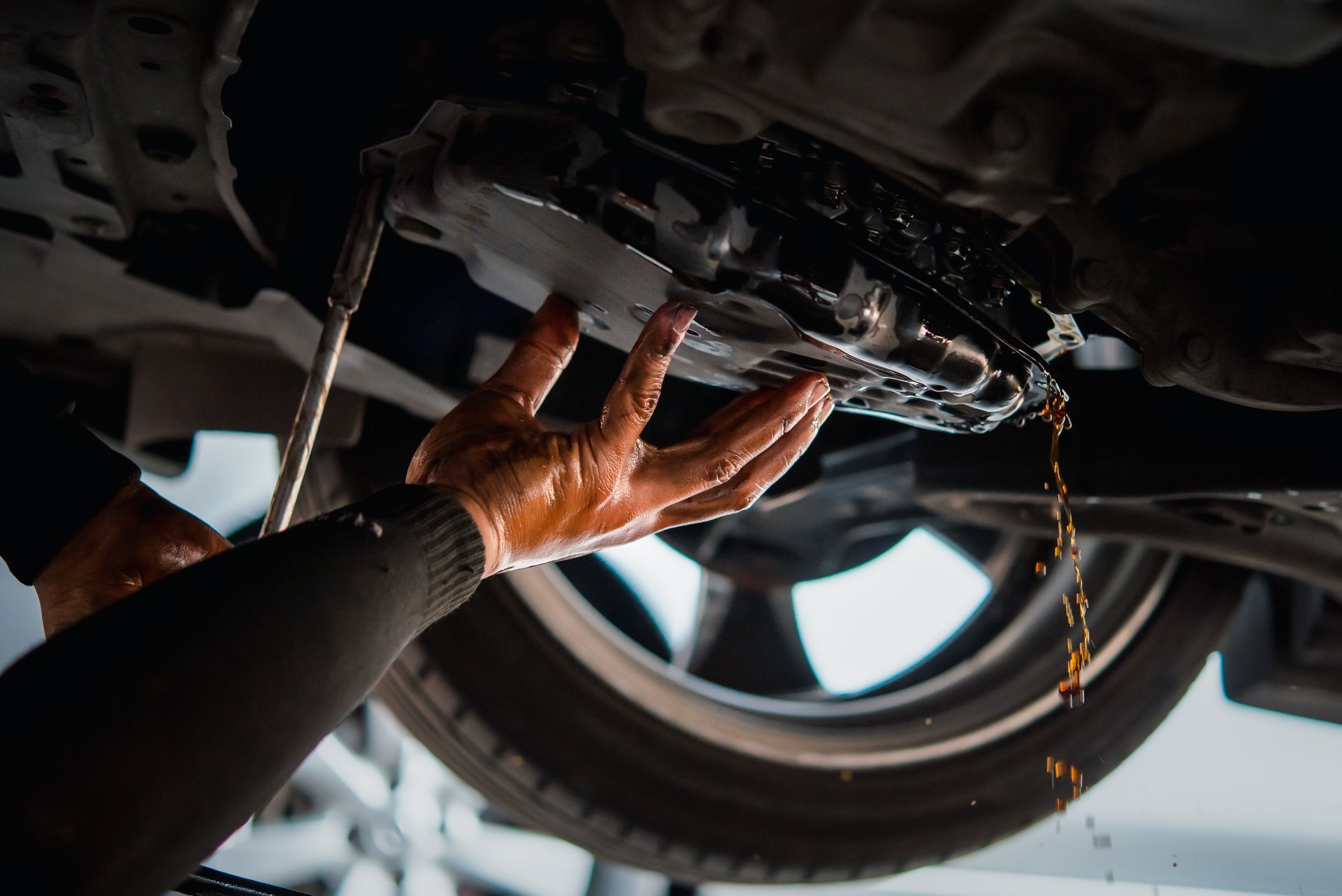
One area where specialization becomes valuable is fluid selection. Many European manufacturers specify more than just a general viscosity or fluid type. Engine oils may need to meet a particular manufacturer's approval, while transmissions, differentials, cooling systems, and power steering systems can require very specific products.
Using something that is merely close enough can create problems. The wrong engine oil may affect emissions equipment, turbocharger protection, or extended service intervals. Incorrect transmission fluid can change shift quality or damage internal components. A shop that regularly works on European vehicles is more likely to be familiar with these requirements and verify the exact specification before service.
Diagnostic Equipment Makes a Big Difference
Modern European vehicles contain numerous control modules that communicate across several electronic networks. A basic scan tool may read generic engine codes, but it may not provide full access to body electronics, chassis systems, adaptive headlights, suspension modules, transmission functions, or manufacturer-specific fault information.
A European specialized shop generally invests in scan equipment and software that can communicate more deeply with brands such as BMW, Mercedes-Benz, Audi, Volkswagen, Porsche, MINI, Volvo, and other European makes. That additional access can help technicians perform diagnostic testing, view live data, activate components, complete adaptations, and follow manufacturer-specific test procedures.
A Trouble Code Is Only the Starting Point
Complex European vehicles can produce numerous fault codes from one underlying problem. A weak battery, communication fault, vacuum leak, or failed sensor may trigger warnings in several systems at the same time.
Replacing the part named in a code description can be expensive and ineffective if the actual cause is somewhere else. Experienced European technicians understand common failure patterns, but they still verify the concern through testing. Familiarity with the platform can make that process more efficient because the technician knows which systems influence each other and where to look next.
Some Repairs Require Programming or Adaptation
Replacing a component on a newer European vehicle does not always finish the job. Batteries, steering components, transmission modules, throttle bodies, electronic parking brakes, cameras, headlights, and other parts may need programming, coding, initialization, or adaptation after installation.
For example, some vehicles require a replacement battery to be registered with the charging system. Others may require steering angle calibration after suspension or alignment work. A new control module may need software or coding before it communicates correctly with the rest of the vehicle.
A shop needs both the right equipment and knowledge of the required procedure. Skipping these steps can leave warning lights on or prevent the new component from working as intended.
European Suspension Systems Can Be More Complicated
Many European vehicles place a strong emphasis on handling and ride control. That can mean multilink suspension designs, electronically controlled dampers, air suspension, active steering, or adaptive chassis systems.
A worn control arm bushing on one car may be a straightforward mechanical repair, while another vehicle may require electronic calibration or a very specific alignment procedure afterward. European specialists regularly work around these designs and are more likely to recognize how mechanical wear can affect electronic systems and vehicle behavior.
Turbocharged Engines Need Brand-Specific Knowledge
Turbocharging is extremely common across European vehicle lineups. While turbocharger operation is similar in principle from one brand to another, the supporting systems can be very different.
Boost control valves, electronic wastegates, vacuum systems, direct fuel injection, intercoolers, crankcase ventilation, and variable valve timing all interact with the turbo system. A loss of power may come from a leaking hose, failed actuator, sensor issue, carbon buildup, fuel pressure problem, or the turbocharger itself.
A technician familiar with the engine family can test the system in the right order instead of treating every loss-of-boost complaint as a failed turbo.
Parts Quality Also Deserves Attention
European vehicles can be sensitive to the quality and design of replacement parts. The least expensive aftermarket component is not always the best option, especially for sensors, ignition parts, suspension components, cooling system parts, or electronics.
A shop that works regularly on European brands generally knows which aftermarket suppliers produce original-equipment-quality parts and when a genuine manufacturer component is the safer choice. That experience can prevent repeated repairs caused by a part that technically fits but does not perform correctly.
Does That Mean You Must Always Use a Specialist?
Not necessarily. If you already have a general repair shop that understands your vehicle, has the proper equipment, uses correct service information, and regularly works on European models, there may be no reason to change.
Specialization becomes more important as repairs become more technical. Repeated warning lights, electrical faults, programming needs, turbo concerns, complicated suspension problems, and manufacturer-specific engine issues are all situations where European experience can save time and help avoid unnecessary parts replacement.
The best question is not simply whether a shop can work on the car. Ask whether the technicians routinely work on that make, have access to the necessary diagnostic equipment, and understand the manufacturer-specific repair procedures.
Get European Auto Repair in Houston, TX, With Elite Auto Experts
Elite Auto Experts in Houston, TX, specializes in European vehicles and understands the service requirements, electronic systems, and repair procedures these cars often require.
Whether your vehicle needs regular maintenance or more involved diagnostic testing and repair,
contact
Elite Auto Experts to schedule European auto service.