Auto repair questions usually start with a sound, a light, a smell, or a feeling that something is not quite right. The car still drives, but it does not feel the same. That gray area is where most drivers want a straight answer.
That is fair.
Here are the questions customers ask us all the time, with simple answers that help you decide what needs attention now and what can be planned.
1) Why Is My Check Engine Light On?
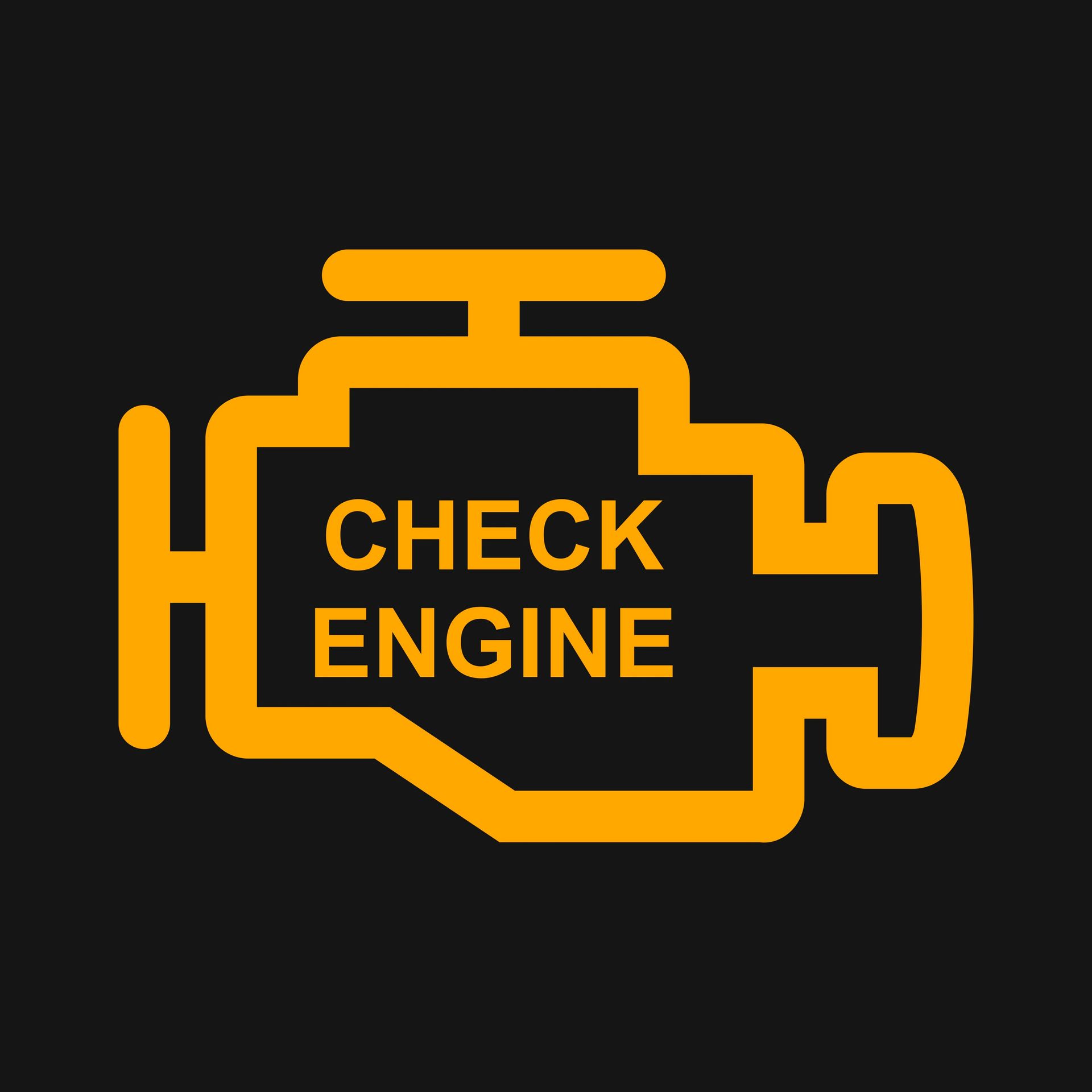
The check engine light can come from many places: misfires, oxygen sensors, EVAP leaks, fuel mixture problems, catalytic converter concerns, thermostat issues, or wiring faults. A steady light usually means the vehicle needs diagnostics soon.
A flashing light is more urgent. That often points to an active misfire, which can damage the catalytic converter if you keep driving normally.
2) How Often Should I Get An Oil Change?
It depends on the vehicle, oil type, mileage, and how you drive. Short trips, Houston heat, traffic, and long idling can be harder on oil than easy highway driving. The owner’s manual is the starting point, but real driving conditions matter too.
Fresh oil and a quality filter help protect bearings, timing parts, camshafts, and turbochargers on equipped engines. If your oil level drops between services, do not wait until the next sticker date to check it.
3) Why Does My Car Shake When Braking?
A shake while braking often points to uneven rotor surfaces, worn brake parts, sticking calipers, or loose front-end components. If the steering wheel shakes, the front brakes or suspension may be involved. If the whole vehicle shakes, the issue may be farther back.
We usually check pad thickness, rotor condition, caliper movement, tire wear, and steering looseness together. Brakes and suspension can overlap more than drivers expect.
4) What Does It Mean If My Car Pulls To One Side?
Pulling can come from low tire pressure, alignment issues, uneven tire wear, brake drag, or worn suspension parts. If the pull happens only when braking, the brakes move higher on the list. If it happens all the time, tires and alignment need a close look.
A hard pothole hit or curb bump can also change how the vehicle tracks. If the steering wheel sits crooked afterward, that is a clue.
5) Why Is My Car Making A Clicking Noise?
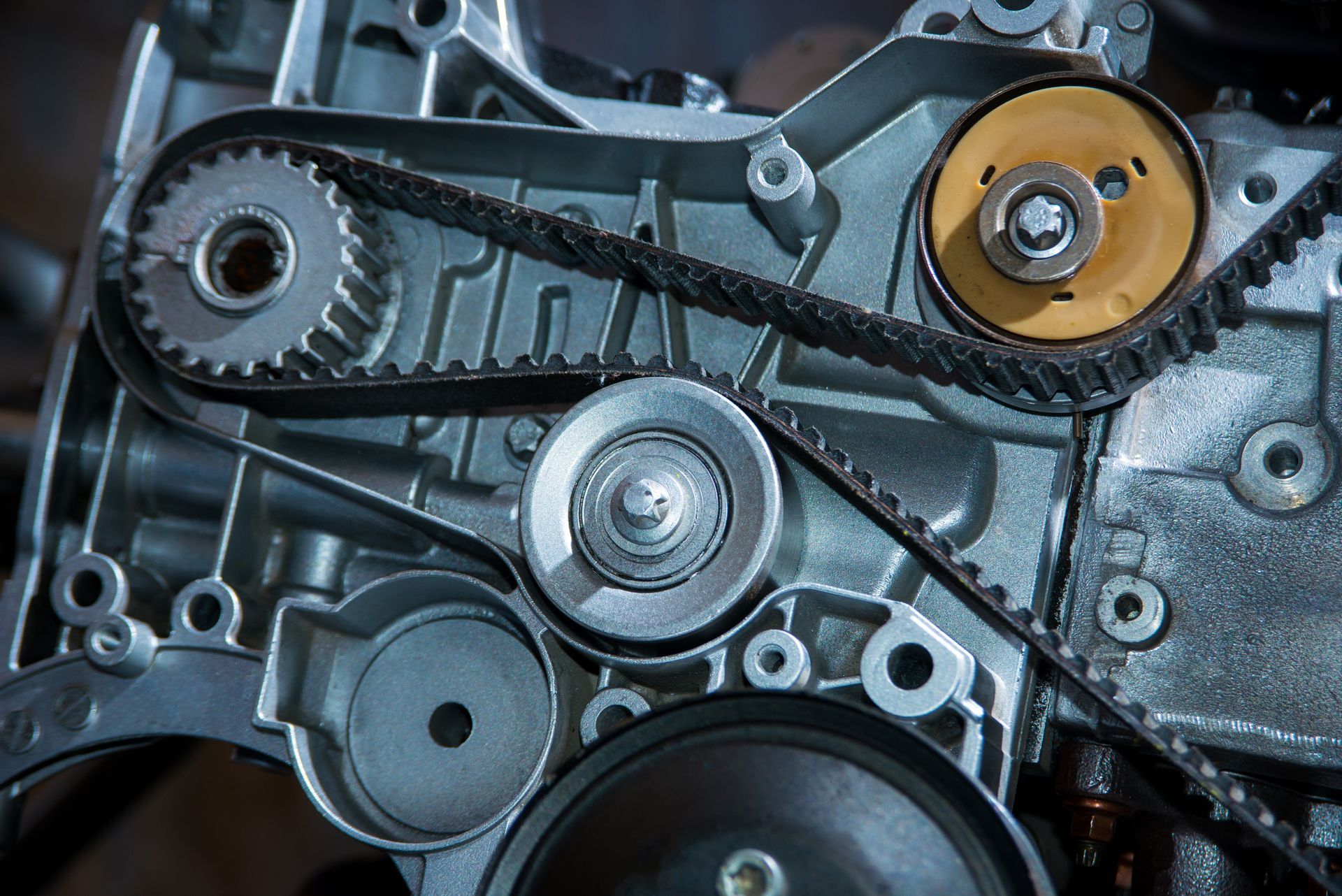
Clicking while turning often points to a CV joint or axle issue, especially during tight parking lot turns. Clicking from the engine area may be due to low oil, valvetrain noise, injectors, or a belt-driven part.
The location and timing matter. A click that follows wheel speed is different from a click that follows engine RPM. That detail helps narrow the inspection.
6) Is A Small Fluid Leak A Big Deal?
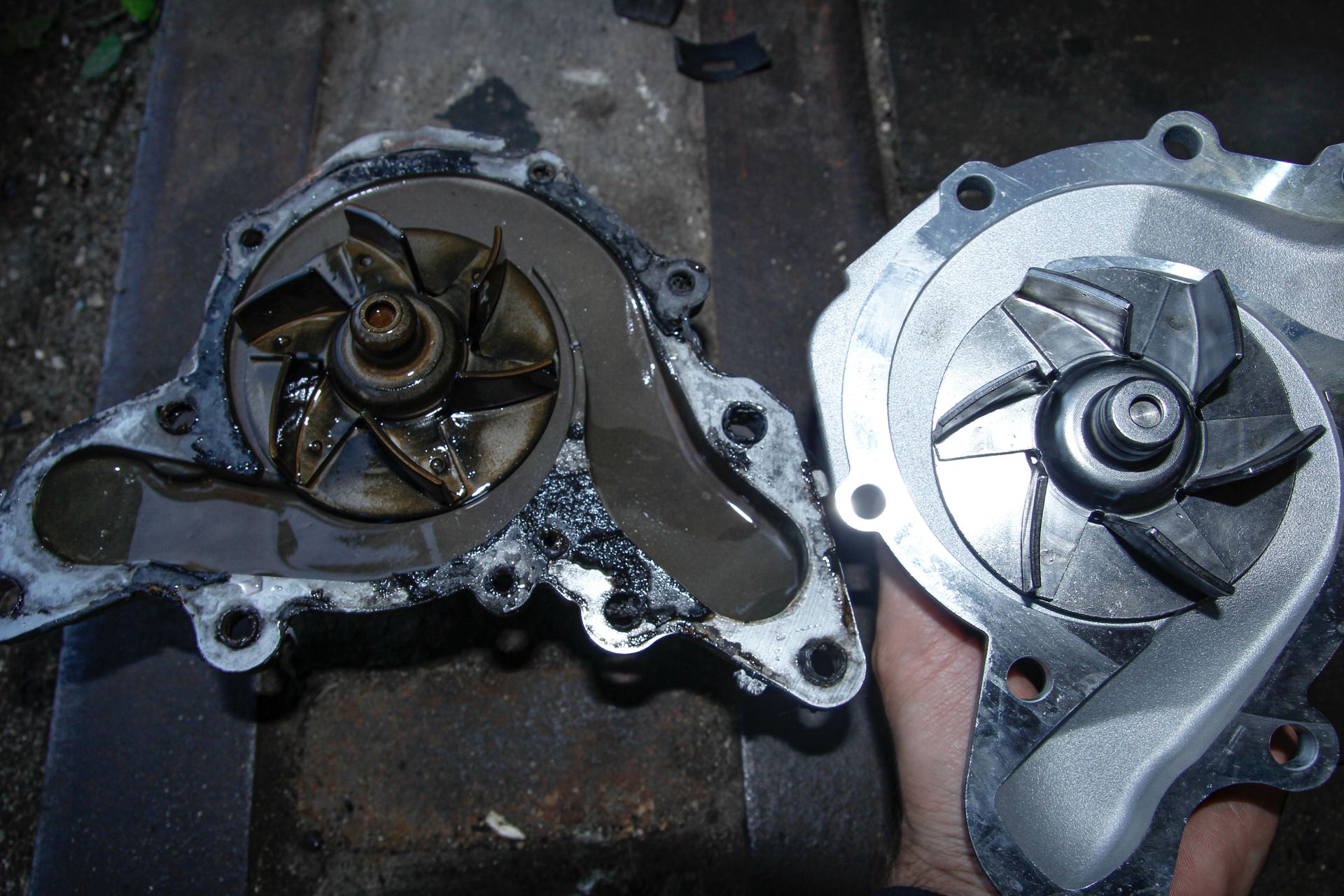
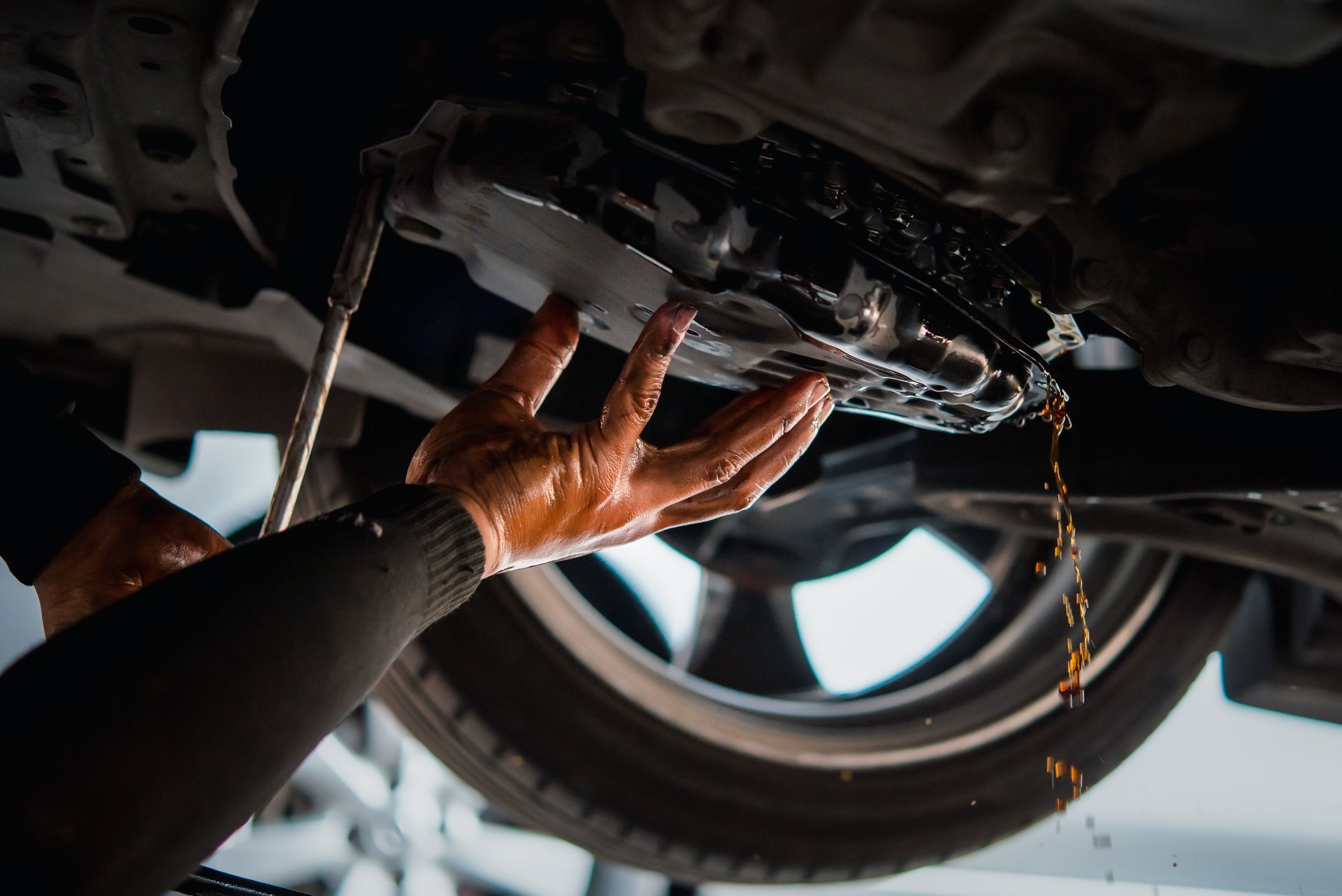
Sometimes it is minor. Sometimes it is the first sign of a repair that will cost more if left to wait. Engine oil, coolant, transmission fluid, brake fluid, and power steering fluid all have different risks.
Coolant loss can lead to overheating. Low oil can damage the engine. Brake fluid near a wheel is a safety concern. If the spot keeps coming back, the vehicle needs to be checked rather than topped off over and over.
7) Why Does My Car Struggle To Start?
A slow start can come from a weak battery, a failing starter, a charging system issue, corroded terminals, a fuel pressure problem, or a sensor fault. If it clicks, cranks slowly, or needs a jump more than once, the battery is not the only part worth testing.
Our technicians check the battery, alternator, cables, grounds, and starter draw before calling one part bad. That prevents replacing a battery when the real issue is a weak connection or charging problem.
8) When Do I Need New Tires?
Tires need replacement when the tread is low, the sidewalls are cracked, the cords are showing, bubbles appear, or the tire has damage that cannot be repaired safely. Age matters too. A tire can have tread left and still be hardened or cracked from time and heat.
Uneven tire wear is another clue. If one edge is wearing out faster than the others, regular maintenance should include checking alignment, suspension, and tire pressure before a new set wears out the same way.
9) What Is Included In A Vehicle Inspection?
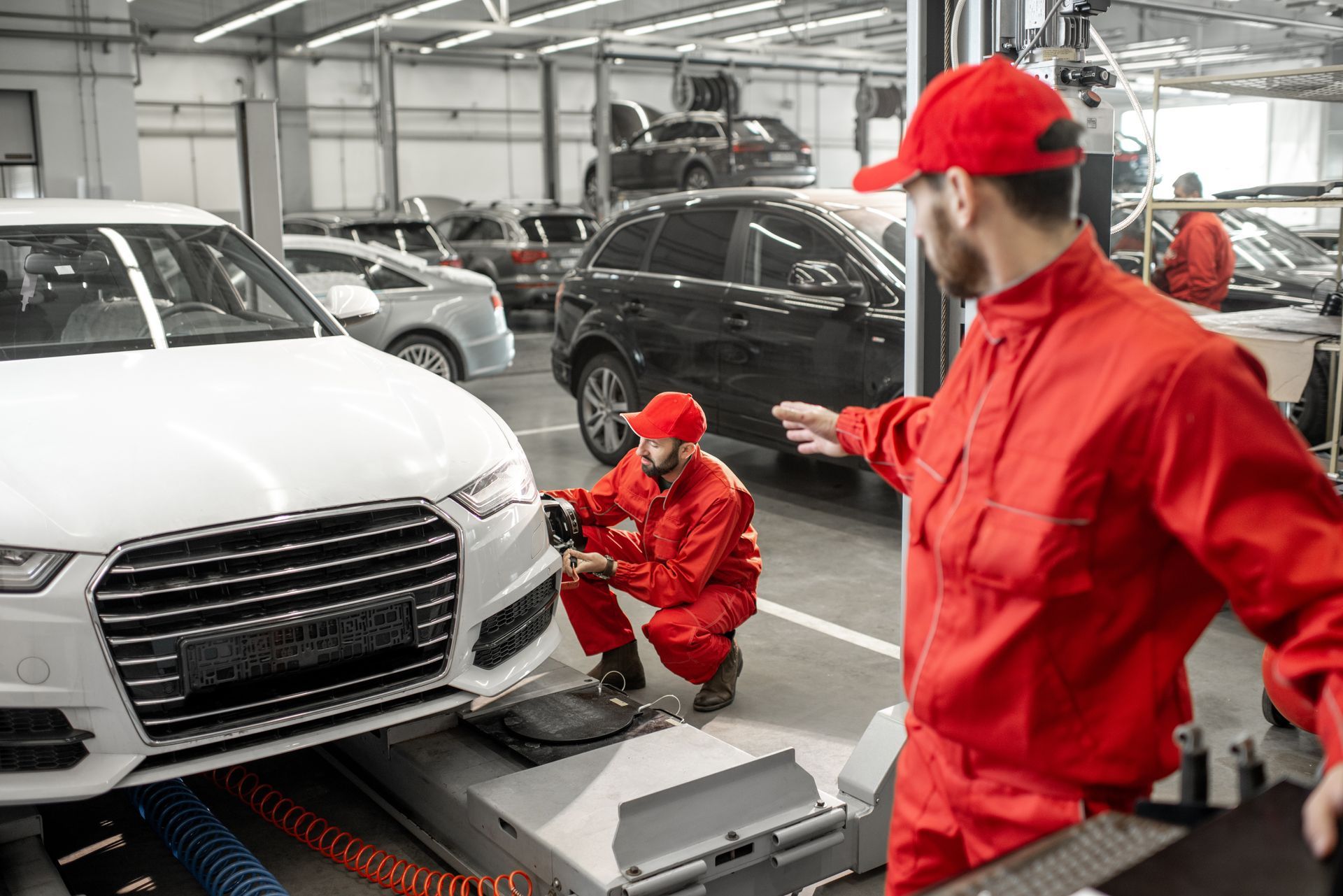
A good vehicle check examines the systems that affect safety, reliability, and future costs. That can include brakes, tires, steering, suspension, fluid levels, belts, hoses, lights, battery condition, leaks, warning lights, and visible wear.
The point is not to scare you with a long list. It is to separate what is urgent from what can wait and what should be watched.
10) How Do I Know If A Repair Can Wait?
Start with safety and damage risk. Brake problems, overheating, oil pressure warnings, flashing check engine lights, steering issues, and fluid leaks that affect braking or cooling need faster attention. Noises, small leaks, and maintenance items may have more flexibility, depending on what is found.
A good shop should explain the difference clearly. What needs to be fixed now? What can be planned? What might become more expensive if delayed? Those answers help you make a smart decision instead of guessing.
Get Auto Repair In Houston, TX, With Elite Auto Experts
If your car has a warning light, a leak, noise, vibration, a starting issue, or a maintenance question, Elite Auto Experts in Houston, TX, can check it and explain what is happening in plain language.
Schedule a visit and get answers that match your vehicle's actual needs.