Your car's alternator keeps everything powered while you drive. It’s responsible for charging the battery and supplying electricity to essential components like the headlights, radio, and power windows. But when the alternator starts failing, it doesn’t just stop working all at once—it gives off warning signs. If you notice unusual electrical issues, dim lights, or trouble starting your car, you might be dealing with a bad alternator. Let’s go over the common signs of alternator failure and why getting it checked early can save you from a major breakdown.
Common Signs of a Failing Alternator
Alternators don’t fail overnight. They usually start showing symptoms that get worse over time. Recognizing these signs on time can help you avoid being stranded with a dead battery.
Dimming or Flickering Headlights
One of the first signs of alternator trouble is fluctuating headlights. Since the alternator supplies power to the lights, a weak or failing unit may struggle to provide a steady voltage, causing your headlights to dim or flicker. This issue is often more noticeable at night or when you turn on other electrical accessories, such as the air conditioning or stereo.
Dashboard Warning Light
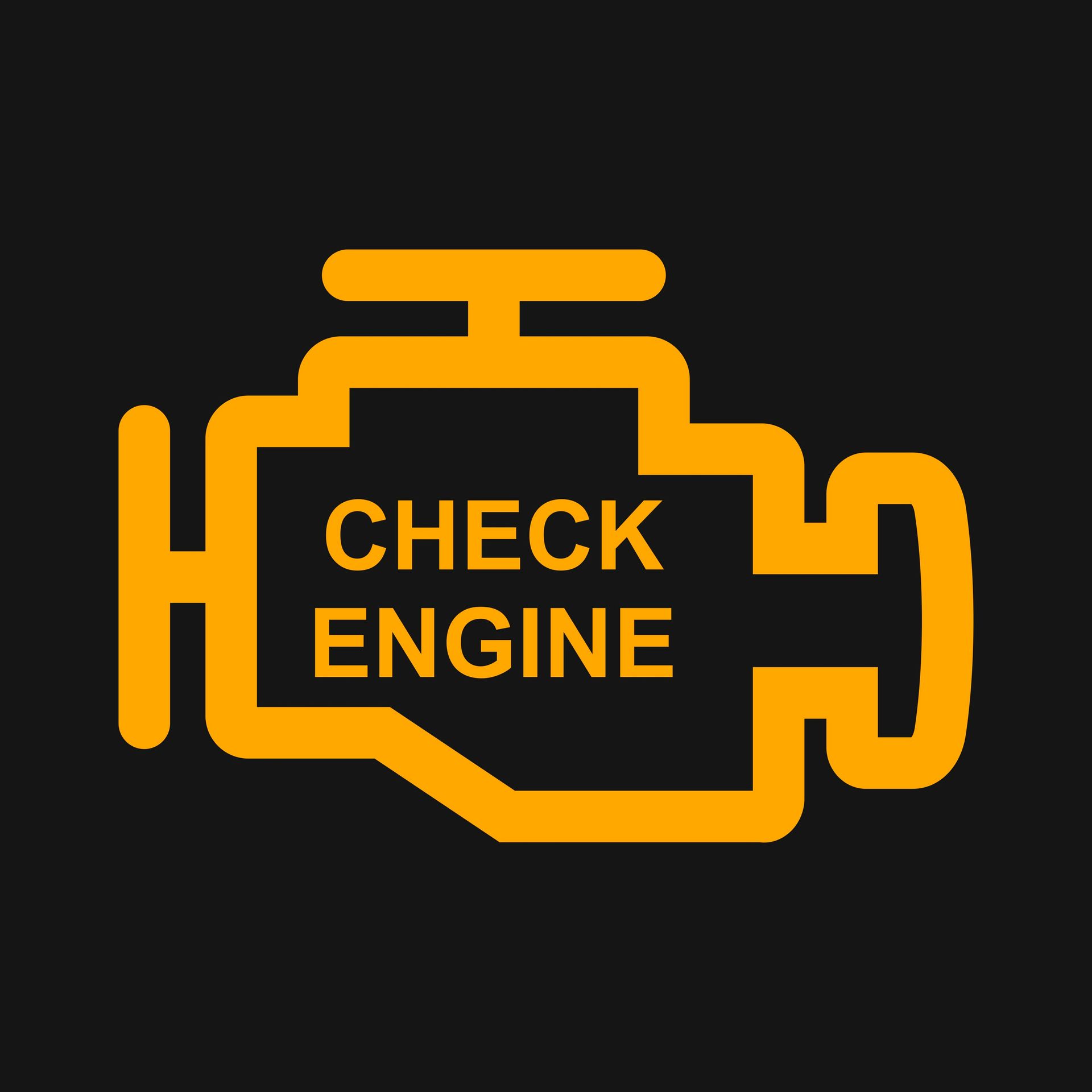
Most vehicles have a built-in warning system to alert drivers about charging system issues. If you see a battery-shaped warning light or a symbol that says "ALT" or "GEN" on your dashboard, don’t ignore it. This light usually turns on when the alternator isn’t supplying enough power, signaling that your vehicle is running on battery power alone. If this happens, your car will only last until the battery drains completely.
Strange Noises Under the Hood
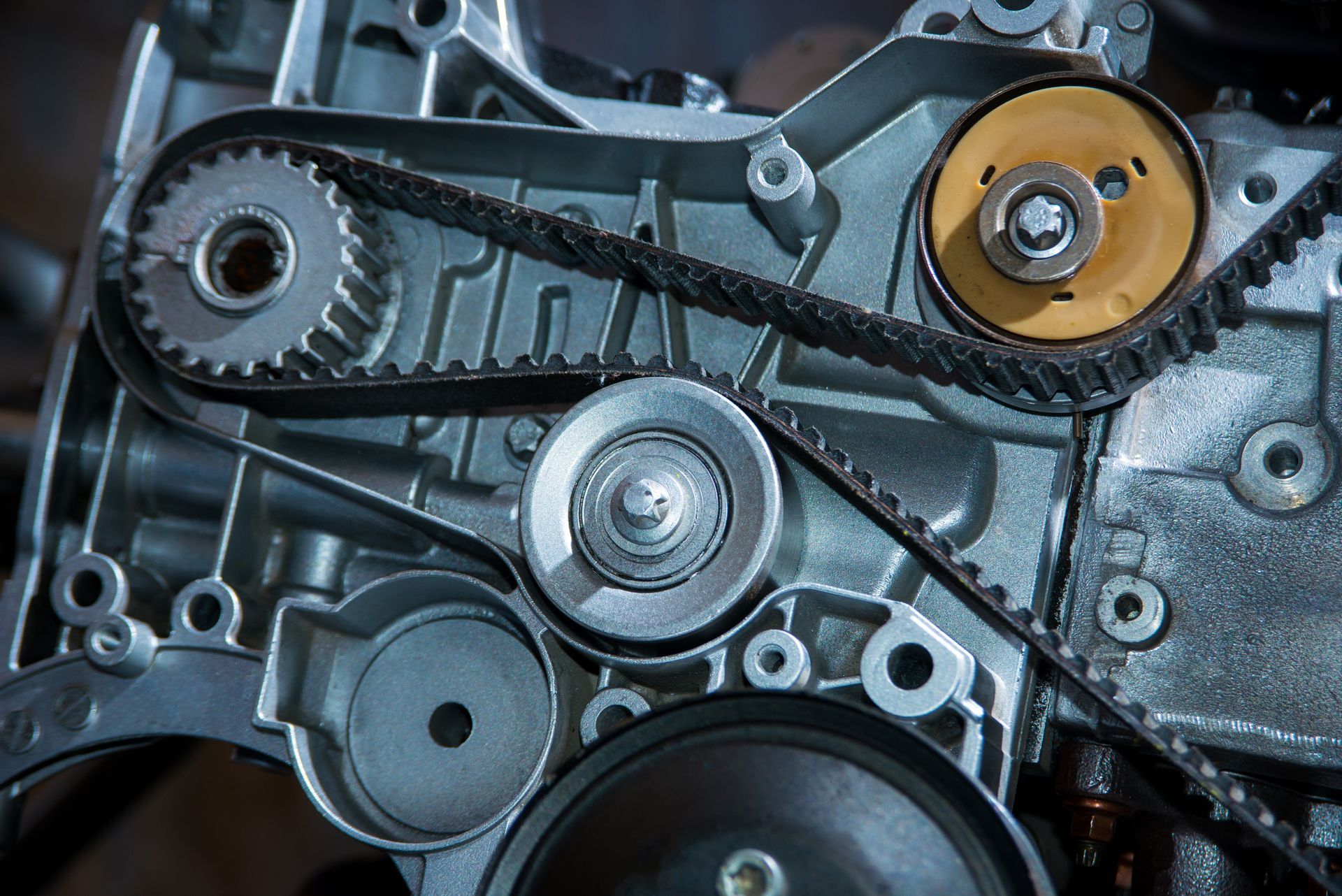
A failing alternator can produce unusual noises, including whining, grinding, or squealing sounds. These noises typically come from a worn-out bearing inside the alternator or a loose serpentine belt struggling to keep up with the alternator’s rotation. If the belt is slipping, it won’t turn the alternator properly, leading to inconsistent power delivery.
Electrical Malfunctions
Since the alternator is responsible for powering various electrical components, a failing unit can cause unusual issues. You might notice power windows operating slower than usual, the radio cutting out, or dashboard lights behaving erratically. If multiple electrical problems occur at once, it’s a strong indication that your alternator isn’t supplying enough power to keep everything running efficiently.
Difficulty Starting or Frequent Stalling
If your car struggles to start or stalls unexpectedly, the alternator may not be recharging the battery properly. The battery provides the initial power to start the engine, but without a functioning alternator to keep it charged, your battery will eventually die. If your car starts but then stalls shortly after, the alternator may not be providing enough power to keep the engine running.
Burning Smell Coming from the Engine Bay
A failing alternator can sometimes emit a burning rubber or electrical smell. This is usually caused by overheating wires or a slipping alternator belt. When an alternator overworks itself to compensate for failing components, it can generate excess heat, potentially leading to damaged wires or internal failure. If you notice a burning odor while driving, it’s best to have your car inspected immediately.
Why You Shouldn’t Ignore Alternator Issues
Ignoring a failing alternator can leave you stranded at the worst possible moment. If your alternator completely stops working, your car will only run until the battery drains—after that, nothing will function, including power steering, headlights, and even the ignition system.
A weak alternator can also put unnecessary strain on your battery, shortening its lifespan and forcing you to replace both components instead of just one. That’s why it’s important to address any warning signs as soon as you notice them.
How to Confirm If the Alternator Is the Problem
Since alternator symptoms often overlap with battery issues, it’s important to determine which part is actually failing. Here’s a simple way to test it:
Turn on your car and remove the negative battery cable while the engine is running. If the engine stalls immediately, your alternator isn’t supplying enough power, indicating a failure. However, this test isn’t recommended for newer vehicles, as it can damage the electrical system.
Use a multimeter to check the voltage. With the engine off, your battery should read around 12.6 volts. When the engine is running, the voltage should increase to around 13.7 to 14.7 volts. If the voltage doesn’t rise with the engine on, your alternator isn’t working properly.
Get a professional inspection at Elite Auto Experts. The most reliable way to diagnose an alternator problem is to have it tested by an expert. Our technicians can check for voltage irregularities and determine whether the issue is the alternator, battery, or another part of the electrical system.
Don’t wait for a dead battery to leave you stranded! Visit
Elite Auto Experts in Houston, TX, for expert alternator diagnostics and repairs. Call today to book an appointment!