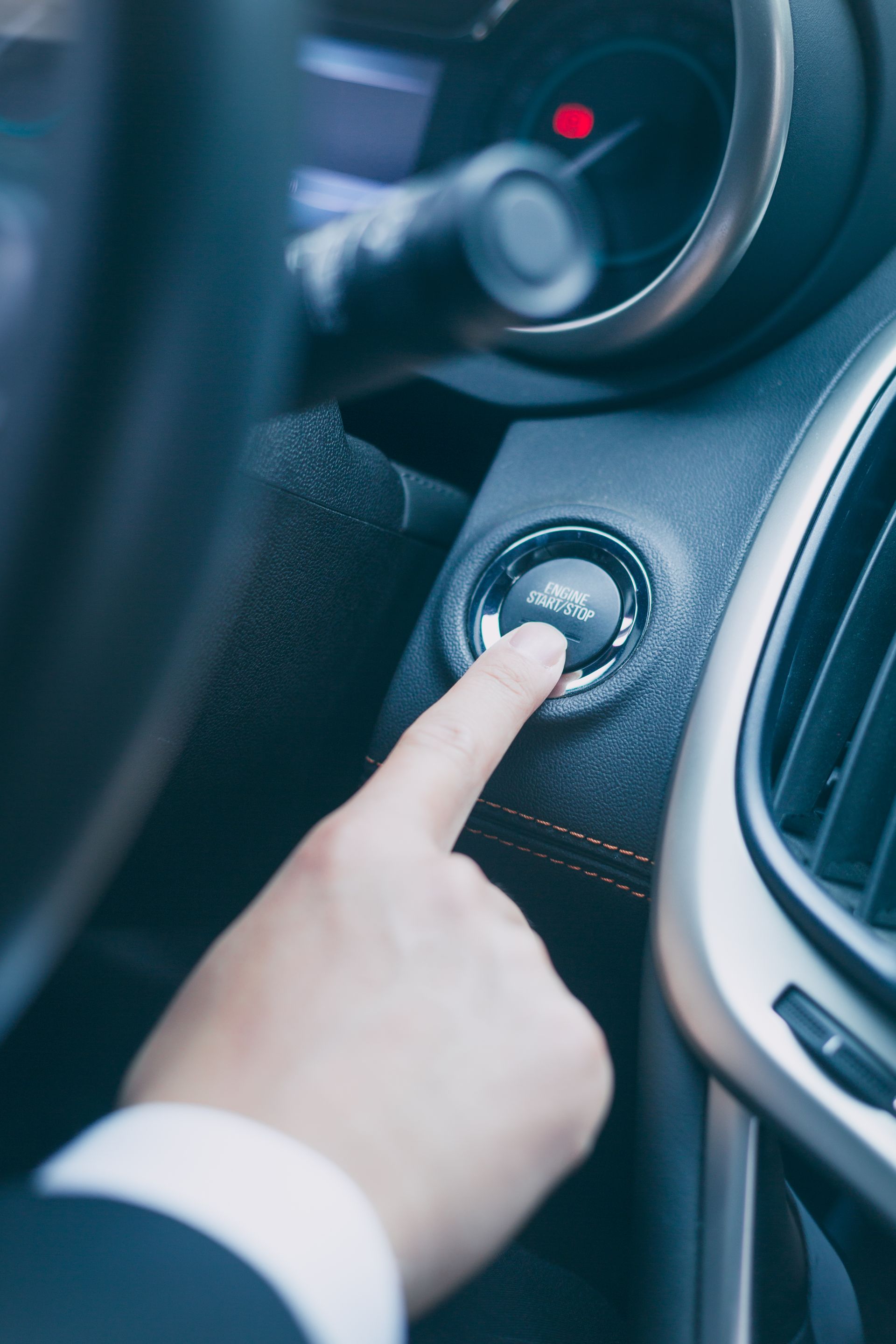
You turn the key on a cold morning and hear a slow, tired crank. Maybe the engine doesn't turn at all, and the dashboard lights dim when you try again. A weak battery is an obvious suspect, but the starter, cable connections, and charging system produce similar symptoms. Find the cause before buying a battery and hoping the car starts tomorrow. What happens during that first attempt gives us a clue about what to test.
Slow Cranking Is a Common Sign of a Weak Car Battery
The battery supplies the high current needed to turn the starter motor. When its charge or internal capacity falls, the engine often cranks more slowly than usual. The problem often appears first after the car has sat overnight, then becomes less noticeable later in the day. Clicking and noticeably dimming lights are other clues that voltage is low.
Not every slow start proves the battery is worn out. Corroded terminals or a poor engine ground restrict current even when the battery itself is healthy. We inspect the connections before deciding what the battery test means. If the starter makes a single solid click without turning, the starting circuit also needs investigation. A new battery won't fix a broken cable or failing starter.
Why Morning Temperatures Expose Battery Weakness
A lead-acid battery delivers less starting power as temperatures fall, while a cold engine generally requires more effort to crank. Those demands meet during the first start of the day. In Houston, the temperature swing isn't as severe as in northern states, but aging batteries and prolonged summer heat still contribute to reduced capacity. Has the battery been tested since it was installed? An older unit often reveals declining capacity on the first cooler morning.
Does the car start normally after a long drive but struggle after sitting all night? That pattern points toward a battery losing its charge or something drawing power while the car sits. We ask about the parking time and any recent electrical accessories or repairs. The answers help separate a battery that cannot hold energy from one that never gets charged properly.
What Dashboard Lights and Clicking Sounds Reveal
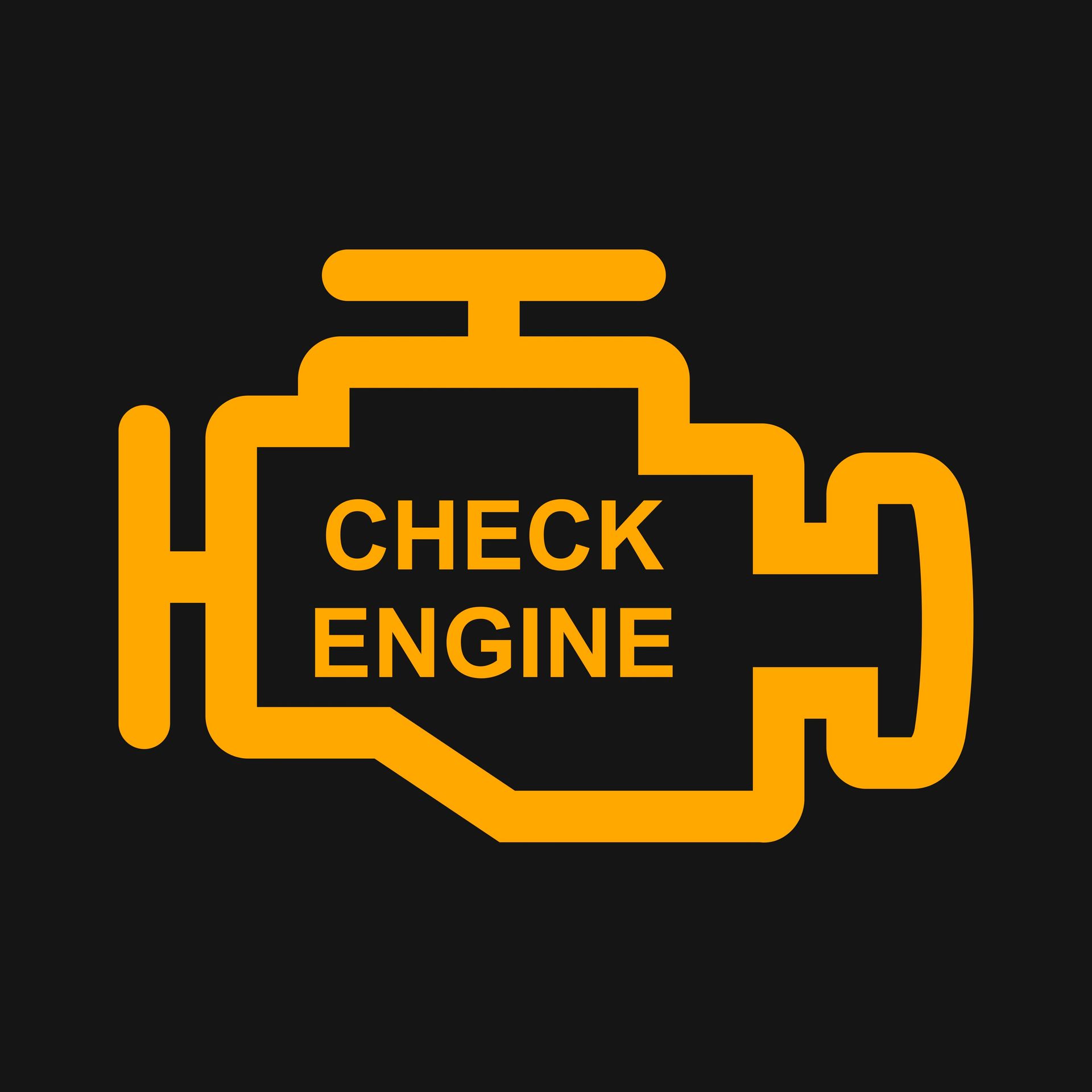
When the starter demands current, low system voltage can make the dashboard flicker, reset the radio, or trigger several warning lights. Rapid clicking from the starter relay or solenoid often accompanies a discharged battery, although voltage drop in a cable produces similar behavior. A single slow attempt followed by silence is another possible pattern with a seriously depleted battery or starting-system fault.
A car that cranks at normal speed but takes a long time to fire is a different story. Spark, fuel delivery, and engine controls belong in that investigation, not just the battery. We listen to how the engine turns over and review electrical voltage while cranking. That test is more informative than deciding from the age of the battery alone.
Corrosion and Loose Battery Connections Mimic a Dead Battery
Battery posts and cable ends conduct the heavy current needed for starting. When corrosion builds up, or a connection loosens, the starter gets too little power, even with a healthy battery. Corrosion can hide beneath terminals that look acceptable from above. Repeated jump-starting produces a brief success when the clamps contact a less corroded part of the connection.
The condition of the cable ends, engine ground, and battery hold-down belongs in the inspection. Loose batteries move and stress their cables. When resistance at the connections is the cause, proper cleaning and secure assembly restore reliable starting without replacing the battery. Testing across the connections under load helps identify the resistance that an ordinary visual check misses.
Battery Testing Goes Beyond Measuring Voltage
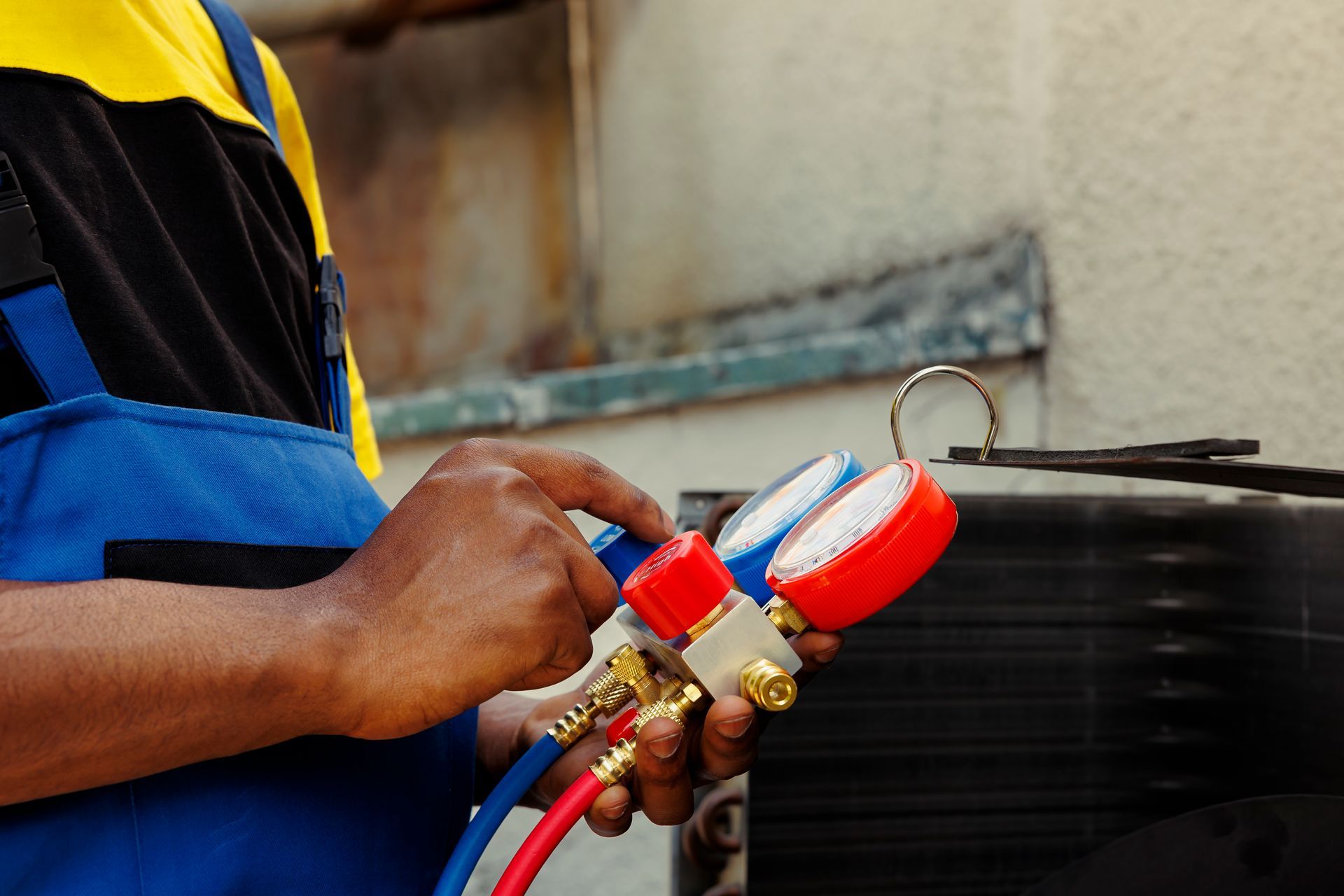
Resting voltage helps estimate charge, but it doesn't show how well the battery performs under starting load. Proper battery testing examines condition and starting capability using equipment designed for the installed battery type. AGM and conventional flooded batteries require the correct test settings, and a discharged battery often needs charging before a final capacity judgment is made.
We also look at charging voltage and the alternator's behavior under electrical load. If the battery repeatedly goes flat despite normal driving, a parasitic draw test often follows after the vehicle's electronic modules enter their normal sleep state. Testing each part of the system prevents a healthy battery from becoming the next unnecessary purchase.
Common Reasons a Good Battery Goes Flat Overnight
Interior lights left on, a faulty module that stays awake, and incorrectly wired aftermarket devices drain the battery while the car is parked. Short daily trips sometimes leave too little driving time to restore the energy used for starting. Loose terminals or a charging fault add another route to a low morning charge. The battery is where the symptom shows up, even when the original problem is elsewhere.
Share these observations during an inspection:
- Cranking gets slower after several nights parked
- A jump-start works but the problem returns
- Electrical accessories recently stopped working normally
- The battery warning light appeared while driving
- The car has new aftermarket electrical equipment
- The battery terminals were recently repaired
When to Replace the Battery and When to Look Elsewhere
A battery that fails a proper condition test needs replacement with the technology, capacity, and physical size specified for the vehicle. Some newer cars require registration or other setup after installation. A battery that passes testing sends us back to the cables, starter, charging circuit, and parked electrical consumption. There's no value in replacing an expensive component simply because starting is inconsistent.
If the battery case is swollen, leaking, or producing an unusual chemical odor, do not attempt a jump-start. Arrange professional assistance instead. For an ordinary weak-start symptom, an early appointment gives us a better chance to test the problem before it becomes a complete no-start. A brief starting issue is easier to describe than an emergency on the way to work.
Get Car Battery and Starting System Testing in Houston, TX, With Elite Auto Experts
Elite Auto Experts in Houston, TX, check battery health, starting circuits, and charging performance when a vehicle struggles in the morning. We'll explain the test results and recommend replacement only when the evidence supports it.
Have the first slow start checked before the next morning leaves you stranded.