LEARN MORE ABOUT THE MOST COMMON POSSIBLE REASONS WHY YOUR CHECK ENGINE LIGHT POPS ON.
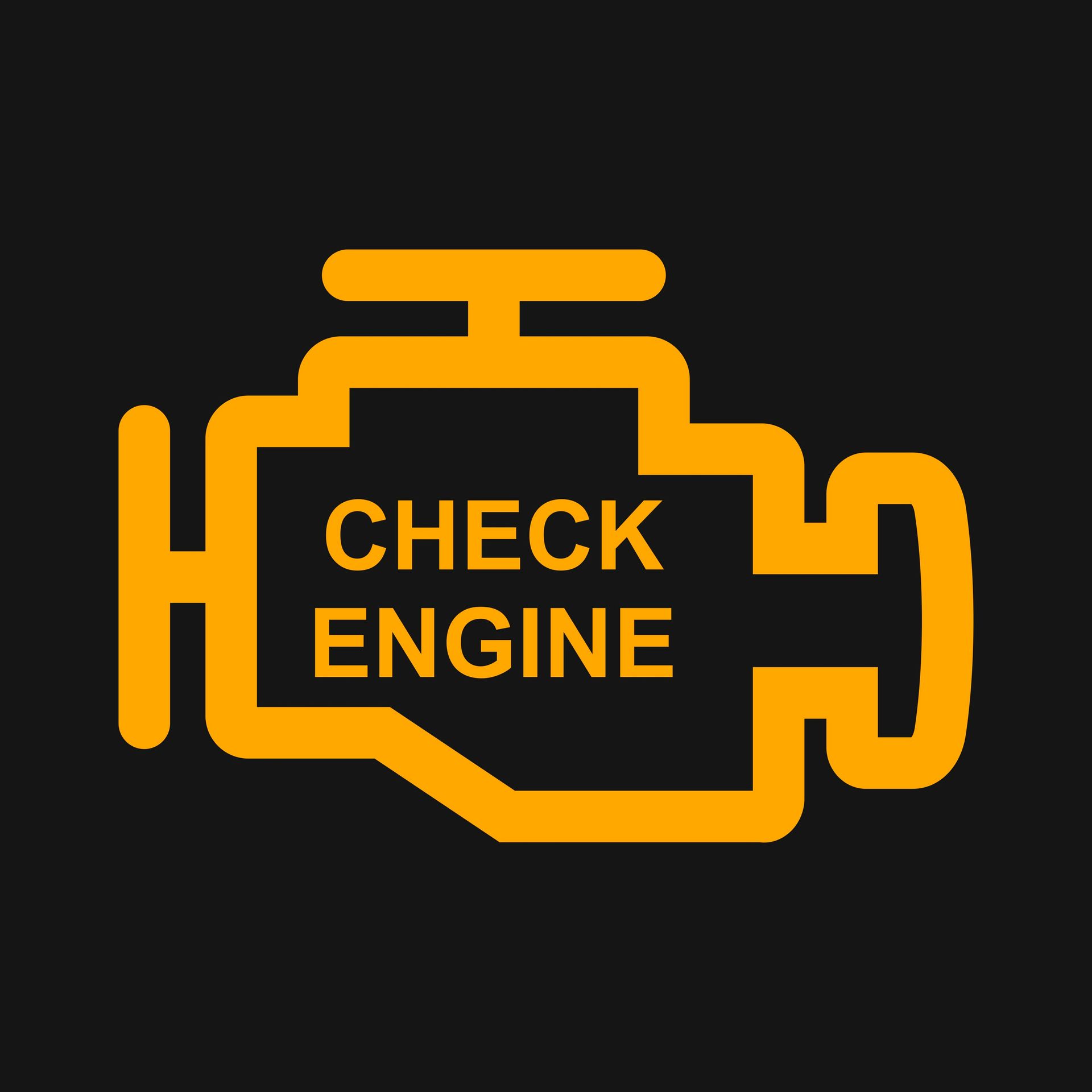
There’s nothing more unnerving than your check engine light coming up as you’re driving. The light might get activated without any other warning sign, and it might be hard to immediately understand what it is trying to tell you. If you are like most people, you probably aren’t too keen on taking the risk of driving around with a problem affecting your vehicle. In most cases, a trip to the auto repair shop will certainly be the best course of action in order to prevent issues and fix any possible problem.
The check engine light can be confusing and somewhat frustrating for many people. The light comes with no other attached information, and it could represent a host of different issues. This is why it isn’t immediately easy to tell what the problem is.
OXYGEN SENSOR ISSUES
Cars have an oxygen sensor, which is an essential component. It allows the vehicle to essentially monitor the unburned oxygen from the exhaust. This is an important tool get a better idea of how much fuel is being consumed by the car. In case of issues with the oxygen sensor, the car won’t be able to tell you exactly how much fuel you are using, and it might display incorrect information. The sensor might malfunction over time, because it can become worn out. In particular, oil ash can affect it and reduce the sensor’s accuracy and ability to detect properly. A faulty sensor will have direct consequences, such as increasing emissions, as well as reducing gas mileage. If you find that you have a faulty oxygen sensor, you should consider replacing it as soon as possible. This particular issue can lead to even greater (and far more expensive) problems, if left unchecked! This is one of the most common causes of a check engine light going off!
GAS CAP ISSUES
You would think of a gas cap as a simple, and fairly unimportant, accessory in your car. However, it can be a source of concern when it is loose or cracked. Fuel can produce vapors, which can leak and cause the whole fuel system to misfire, significantly increasing your emissions and reducing your gas mileage. Issues to your gas cap should be fairly easy to diagnose on your own. If you are experiencing that your cap is cracked, worn out or loose, you might be able to immediately trace it back as the cause of your check engine light going off. You could start with simple fixes on your own. An action as simple as stopping the car and trying to tighten the cap might do the trick. However, it might be a bit more problematic if you do experience any crack. The good news? The solution is usually as inexpensive as it gets. Buying a new gas cap might set you back by only a few dollars, depending on your car. This is generally a quick and inexpensive fix, which might solve the engine light issue, and it might definitely be worth a try, considering how affordable it is to buy a new gas cap!
CATALYTIC CONVERTER
As you might know, the catalytic converter (also referred to as catalytic convertor) is one of the most important components of your car. It is needed to reduce exhaust gases and it coverts potentially toxic emissions of carbon monoxide into other compounds that aren’t as dangerous. When you have issues with your catalytic convertor, you might notice that your car won’t go as fast, even when stomping on the gas. You might also experience a decrease in gas mileage and an increase in terms of emissions. Given the importance of the catalytic converter, is often recommended to undertake regular maintenance. This isn’t a really common cause of concern for people who regularly take care of their cars and get them inspected regularly, but if you have been neglecting your vehicle a bit, catalytic converter failure could be the issue, and it might worth getting your car looked at. Replacing your catalytic converter might be quite expensive, so the best solution is definitely to get your car maintained and checked out regularly, in order to avoid issues.
AIRFLOW SENSOR ISSUES
The airflow sensor is a tool that essentially tells the car’s computer how much fuel to use, based on the amount of air that’s coming through the engine. As you can imagine, airflow sensors that don’t work properly can lead to more emissions and other issues, warranting a check engine light on.
This article explores some of the most common causes of a check engine light. In most cases, the fix could be quite easy and there is nothing to really worry about. However, it is better to avoid taking chances when it comes to road safety. In most cases, a simple check-up can solve the issue quickly and effectively, without the need for costly repairs. Elite Auto Experts can assist you with quality and timely check-engine light diagnostics and auto repair services to give you peace of mind.